Looking for a place where your home budget can go further without giving up access to Chicago or Northwest Indiana job centers? East Chicago is often overlooked, but it offers a practical mix of rail service, free local transit, and relatively attainable housing. If you are weighing commute time, home price, and property condition all at once, this guide will help you make sense of the trade-offs. Let’s dive in.
Why East Chicago Works for Commuters
East Chicago has transportation options that can support more than one kind of commute. You are not limited to driving alone every day, which can make the city appealing if you want flexibility in how you get to work.
The city has South Shore Line rail service, a free local bus system, and access to major expressway connections in Lake County. Census QuickFacts reports a mean travel time to work of 20.8 minutes, which supports the idea that East Chicago functions well as a regional commuting base.
If your job takes you into downtown Chicago, the South Shore Line is a major part of the story. The East Chicago South Shore station is located at 5615 Indianapolis Blvd., and current fare information places East Chicago in Zone 4 for Chicago-bound fares.
According to the current timetable, the one-way fare to Millennium Station is $7, and a monthly pass is $197.25. Some weekday westbound trips can reach Millennium Station in under 20 minutes, while many others take closer to 40 minutes depending on the train’s stop pattern.
That range matters when you plan your day. A faster train can make East Chicago feel very close to downtown, while a local-stop schedule may still be workable if your housing costs are lower than in some nearby markets.
East Chicago Transit Adds Flexibility
Rail is only one piece of the commute. East Chicago Transit provides free fixed-route bus service along with complementary paratransit, which can be helpful for getting to the station, running errands, or reaching parts of the city that are not right next to the rail line.
For many buyers, this improves the day-to-day value of living in East Chicago. If you want a home that is not directly beside the station, free local transit can make that choice more practical.
This kind of last-mile access is easy to overlook when you first start home shopping. In real life, though, being able to connect from your neighborhood to rail or daily errands can shape how convenient your routine feels.
Driving Options in East Chicago
If you commute by car, East Chicago also gives you roadway access that supports regional travel. INDOT interchange listings show connections to U.S. 12 at I-90 in East Chicago, along with several U.S. 20 access points.
The city also notes that the new Cline Avenue Bridge opened to reduce congestion and provide a reliable alternate route between Northwest Indiana and Chicago. For commuters, that reinforces East Chicago as a mixed-mode location where you can choose rail, bus, driving, or some combination of all three.
That flexibility can be important if your schedule changes from day to day. You may prefer the train most of the time but still want a reasonable driving route when you need it.
What the Housing Stock Looks Like
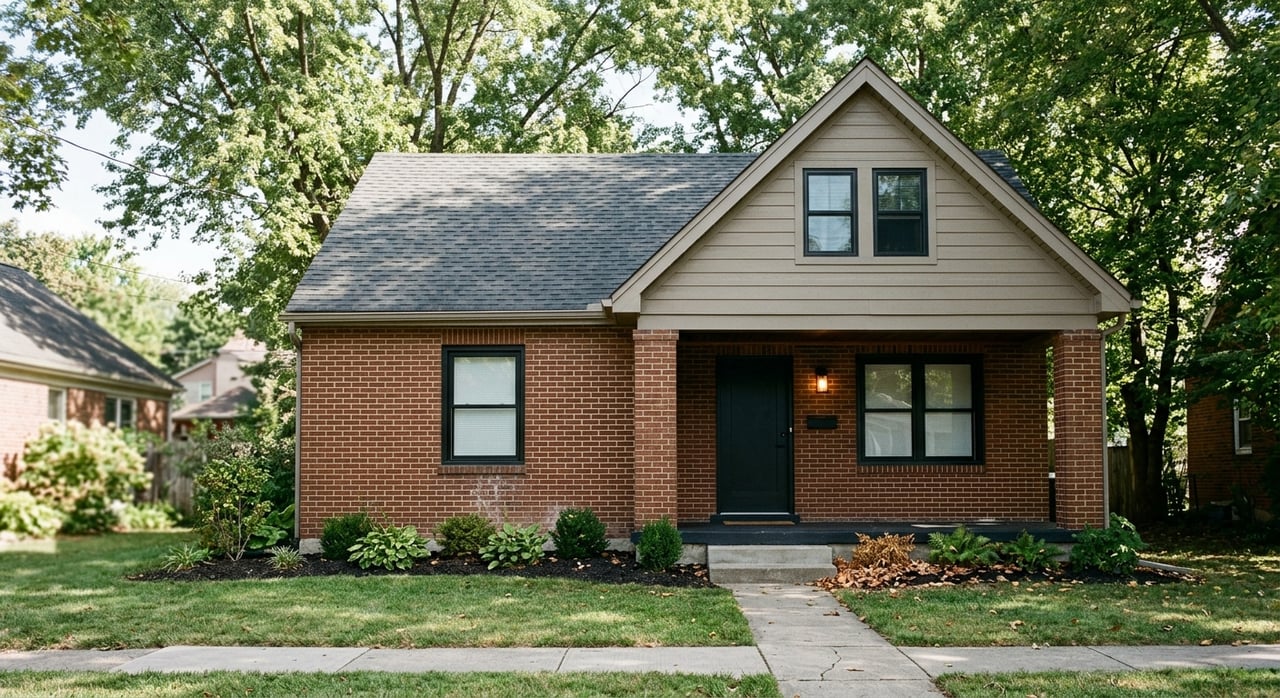
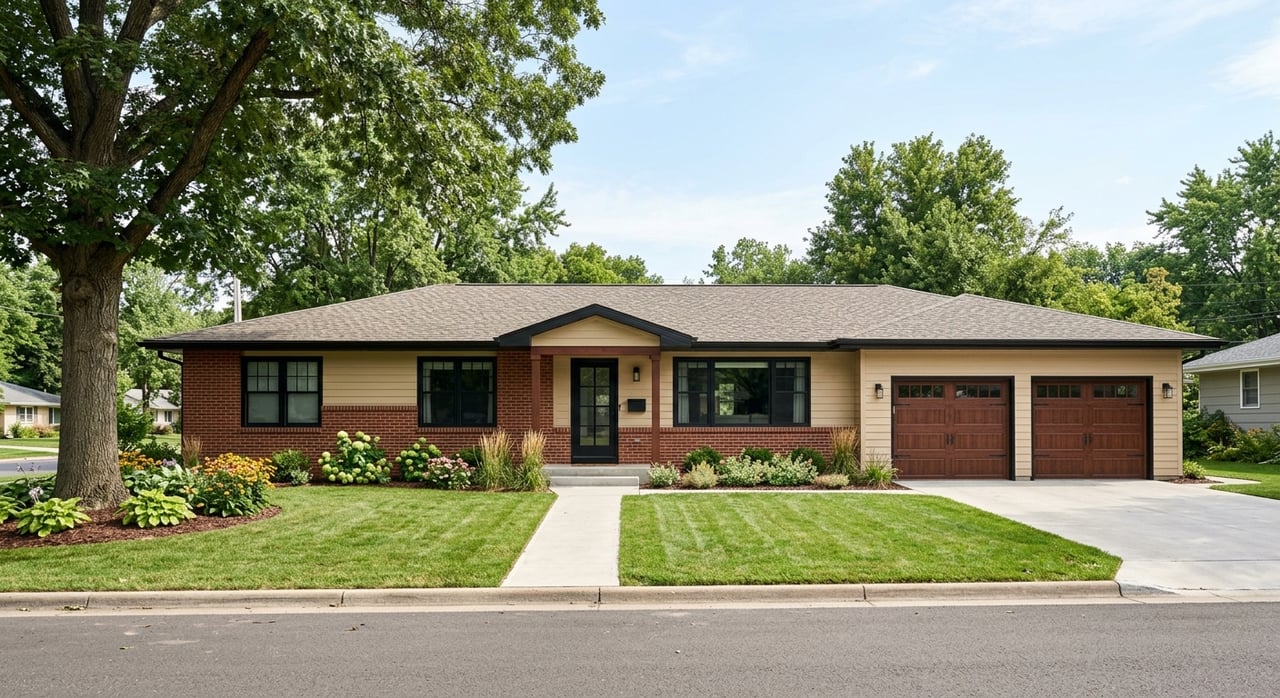
East Chicago’s housing mix is broader than many buyers expect. The city’s consolidated plan reports that about 42% of housing units are detached single-family homes, and when attached single-family homes are added, roughly half of all housing units are single-family.
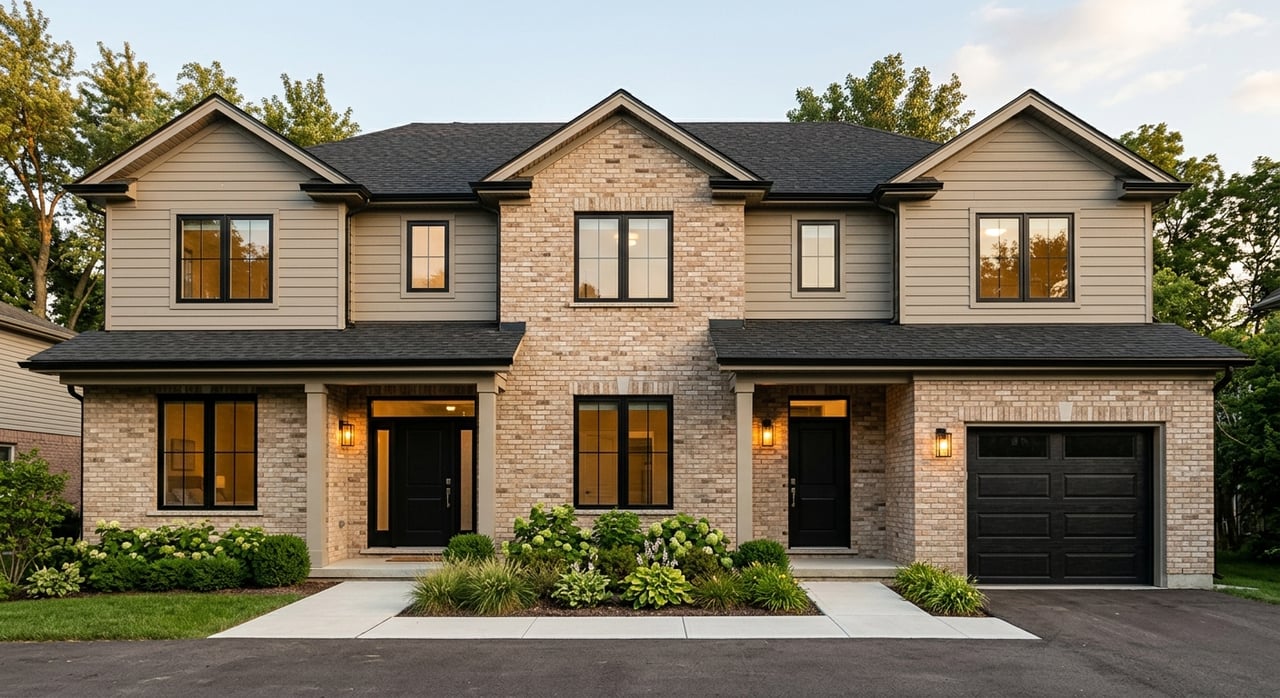
The rest of the housing stock includes a meaningful share of smaller multifamily properties. About 26% of units are in 2- to 4-unit structures, 17% are in 5- to 19-unit buildings, and 6.5% are in buildings with 20 or more units.
That matters because your options may be wider than just one type of property. If you are a buyer looking for a house, you will find single-family inventory, but East Chicago may also appeal if you want a duplex, triplex, or another small multifamily property.
For buyers in Northwest Indiana who care about value and flexibility, that range can open more paths into the market. It also fits well with Favela Real Estate’s experience helping clients evaluate both residential homes and small multifamily opportunities.
East Chicago Affordability at a Glance
Affordability is one of the city’s main draws. Census QuickFacts lists a median value of owner-occupied housing units at $105,400, a homeownership rate of 42.9%, a median gross rent of $854, and median monthly owner costs of $1,153 with a mortgage.
Current sale prices show a higher number for active market conditions. Redfin’s March 2026 snapshot places the median sale price at $165,000, which suggests that updated homes or homes in stronger demand can sell above the broader Census baseline.
For you as a buyer, that means East Chicago may still offer an accessible entry point, but not every property will be priced the same way. A renovated or move-in ready home may come at a premium compared with an older property that needs work.
Renovated Homes vs As-Is Homes
East Chicago’s housing stock is older overall, with a significant share built before 1980. The city’s plan also identifies an ongoing need for both owner and rental rehabilitation.
In practical terms, this creates a common decision for buyers. You may find lower entry prices on homes sold in older condition, but those properties often require a more careful look at repairs, systems, and future maintenance.
A renovated home will usually cost more upfront, yet it may offer fewer immediate projects and a more predictable move-in timeline. An as-is home can look attractive on price, but the true cost depends on what inspections reveal and how much work the property needs.
This is where local guidance matters. Favela Real Estate’s hands-on renovation background can be especially useful if you are trying to compare a fully updated home with a property that may need improvements, because construction experience helps you think beyond list price alone.
Comparing East Chicago, Gary, and Hammond
If you are choosing among nearby commuter markets, East Chicago often lands in the middle on price. Redfin data shows median sale prices of about $165,000 in East Chicago, compared with roughly $86,000 in Gary and $195,000 in Hammond.
Census QuickFacts adds another layer to the comparison. Median owner-occupied values are listed at $105,400 in East Chicago, $94,700 in Gary, and $141,700 in Hammond. Median gross rent is $854 in East Chicago, $1,012 in Gary, and $1,089 in Hammond.
For many buyers, East Chicago can feel like a middle-ground option. It offers direct rail access to Chicago while sitting below Hammond on current median sale price and above Gary on the same measure.
That does not make one city automatically better than another. It simply means your best fit depends on what matters most to you, whether that is lower entry cost, a certain commute pattern, or the type and condition of homes you want to see.
Who East Chicago May Suit Best
East Chicago may be a strong fit if you want to balance commute access with budget. You may also find it appealing if you are open to older housing stock and willing to compare renovated homes against properties that need updating.
It can also make sense if your work or lifestyle is spread across Northwest Indiana and Chicago. The combination of rail service, free local transit, and road access gives you options that are useful when your routine is not exactly the same every day.
If you are a first-time buyer, East Chicago may deserve a closer look because the numbers can be more approachable than in some neighboring markets. If you are considering a small multifamily property, the city’s housing mix may also create opportunities worth exploring.
Smart Tips for Commuter Buyers
Before you buy in East Chicago, it helps to look beyond the listing photos and think about how the property supports your full routine. A home that looks affordable on paper may feel very different once you factor in transit access, repair needs, and monthly travel costs.
Here are a few practical things to compare as you search:
- Check the distance from the home to the East Chicago South Shore station at 5615 Indianapolis Blvd.
- Review train schedules to see whether your likely trip is closer to 20 minutes or 40 minutes to Millennium Station.
- Consider how East Chicago Transit’s free bus service could help with station access or daily errands.
- Compare renovated homes against older as-is homes with a realistic repair budget in mind.
- Look at East Chicago side by side with Gary and Hammond so you can weigh price, condition, and commute options together.
A smart purchase is not always the cheapest house or the shortest commute. Usually, it is the property that gives you the best overall fit for your budget, timeline, and daily life.
If you want help sorting through East Chicago, Gary, Hammond, or other Northwest Indiana options, Favela Real Estate can help you compare homes with a practical eye on value, condition, and commute convenience.
FAQs
What makes East Chicago a practical place for commuters?
- East Chicago offers South Shore Line rail service, free local bus service, and access to major road connections, giving you more than one way to get to Chicago or Northwest Indiana job centers.
How long is the South Shore Line trip from East Chicago to Millennium Station?
- Current timetable information shows some weekday westbound trips in under 20 minutes, while many others take about 40 minutes depending on the stop pattern.
How much does the South Shore Line cost from East Chicago to Chicago?
- The current posted fare from East Chicago to Millennium Station is $7 one-way, and the monthly pass is $197.25.
What types of homes are common in East Chicago?
- East Chicago has a mix of housing, including detached and attached single-family homes, along with a large share of 2- to 4-unit and other multifamily buildings.
How does East Chicago compare with Gary and Hammond on home prices?
- Recent market data places East Chicago between the two, with a median sale price around $165,000 compared with about $86,000 in Gary and $195,000 in Hammond.
Should buyers expect older homes in East Chicago?
- Yes. The city reports that a significant share of the housing stock was built before 1980, so buyers should pay close attention to condition, inspections, and potential repair costs.