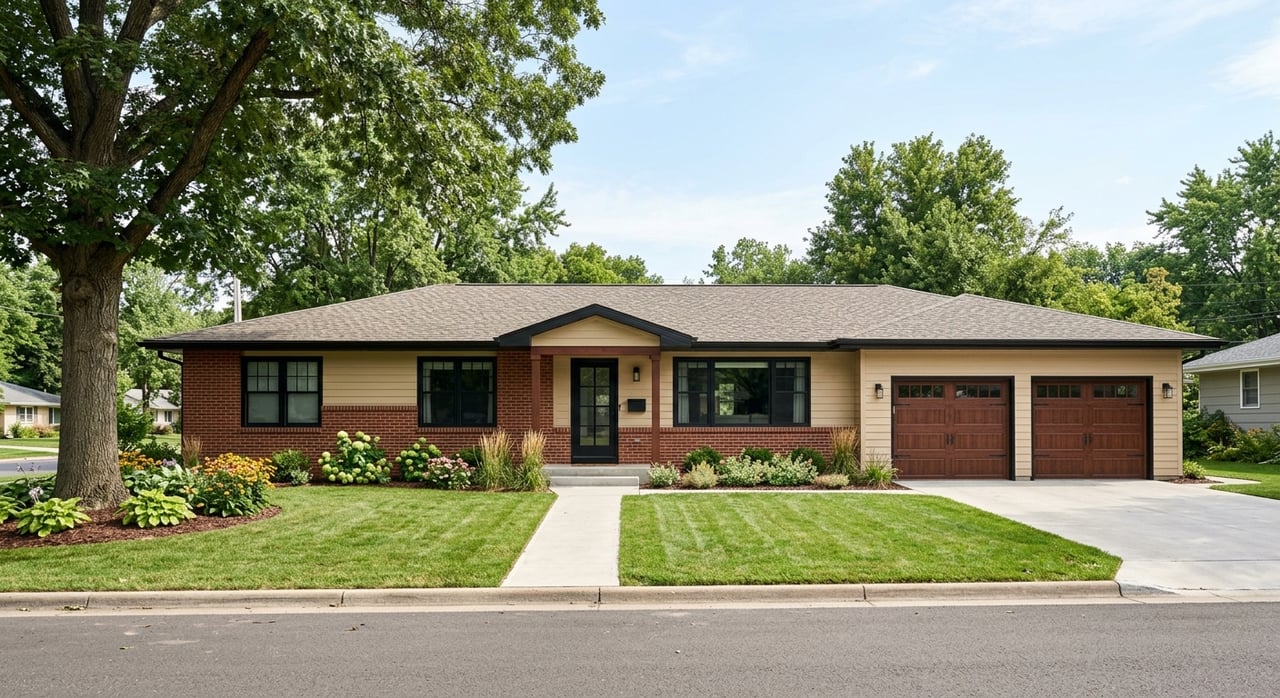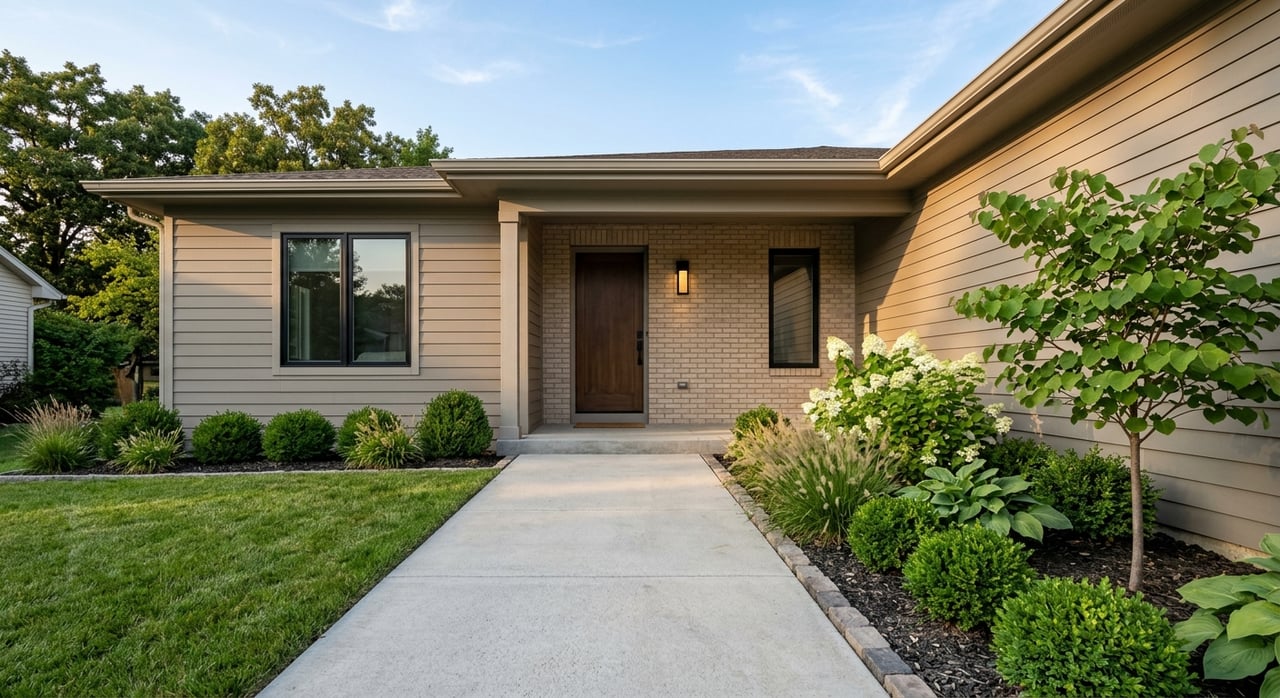
Rent can feel like a moving target, especially when you are trying to save at the same time. If you are renting in Hammond and wondering whether buying your first home is actually within reach, the numbers may be more encouraging than you think. With the right plan, a clear budget, and guidance through financing options, the jump from renter to owner can feel a lot more manageable. Let’s dive in.
Why Hammond stands out
For many first-time buyers, the biggest question is simple: Can I really afford to buy? In Hammond, that question deserves a closer look. According to the U.S. Census QuickFacts for Hammond, the median gross rent is $1,134, while the median monthly owner cost with a mortgage is $1,231.
That does not mean owning is always cheaper than renting, because your exact payment depends on your loan, taxes, insurance, and home price. But it does show that in Hammond, the gap between renting and owning may be smaller than many renters expect. The same Census data lists Hammond’s median owner-occupied home value at $159,900, which is lower than Lake County’s $230,600 and Indiana’s $218,200.
That affordability story matters if you are trying to buy your first home without stretching your budget too far. It also means Hammond can be a practical market to start building equity, especially if you have been paying rent consistently and are ready to put that monthly payment toward a home of your own.
What first-time buyer means
If you have owned a home before, you still may qualify as a first-time buyer under certain programs. Indiana housing resources generally define a first-time homebuyer as someone who has not owned a principal residence in the last three years. That definition is outlined through Indiana housing program guidance and can make a big difference if you assumed you were not eligible.
The Indiana Housing and Community Development Authority, or IHCDA, explains that many of its homebuyer programs are geared toward first-time buyers, with some exceptions for targeted areas or qualified veterans. You can review those details on the IHCDA homebuyer programs page and in the state’s first-time homebuyer FAQ.
Start with your budget
Before you browse listings, it helps to understand what you can comfortably afford. HUD’s buying a home resources note that affordability depends on your income, credit profile, current monthly expenses, down payment, and interest rate.
That means your monthly rent alone does not tell the full story. You will want to look at your take-home pay, current debts, savings, and how much room you have in your budget for housing costs, utilities, maintenance, and moving expenses.
A simple starting point is to review:
- Your monthly income
- Minimum debt payments
- Current rent and utility costs
- Savings for upfront costs
- Credit card balances and loan obligations
- Any recent changes in employment or income
If you are planning to buy in Hammond or nearby Lake County communities, this early budget step can help you shop with more confidence and avoid wasting time on homes that do not fit your price range.
Understand the upfront costs
One of the biggest first-time buyer mistakes is focusing only on the down payment. In reality, you need to prepare for the full cash picture.
The Consumer Financial Protection Bureau explains that closing costs can vary based on the home price, your down payment, lender fees, loan type, property type, and location. That is why it is important to separate these categories in your planning.
Down payment vs. closing costs
Your down payment is the amount you pay toward the purchase price. Your closing costs are separate and can include lender fees, title-related costs, and other transaction expenses.
This is also where assistance programs may help reduce the amount you need upfront. IHCDA currently lists:
- First Step with 5% down payment assistance
- Next Home with up to 3.5% down payment assistance
- Step Down as a rate-only option
- Next Step for refinance purposes
You can explore those options on the IHCDA homebuyer page. Program eligibility depends on factors like income, credit score, debt-to-income ratio, and county-specific acquisition limits.
You may not need a huge down payment
A lot of renters delay buying because they think they need 20% down. That is a common myth.
According to HUD’s homebuying guidance, FHA loans can require as little as 3.5% down and are often a useful option for first-time buyers. Combined with Indiana assistance programs, that can make the upfront hurdle feel more realistic for renters who have steady income but limited savings.
Of course, the right loan depends on your financial situation. The key is not to rule yourself out too early. A conversation with a participating lender can help you understand what may be available based on your income, credit, and goals.
Credit matters, but perfection is not required
You do not need a flawless financial history to buy a home. You do need to show that you can manage debt responsibly and qualify under the lender’s and program’s standards.
IHCDA notes that eligibility can depend on your income, credit score, debt-to-income ratio, and county guidelines. The state also explains more in its program criteria FAQ.
If you are getting ready to buy, focus on the basics:
- Pay bills on time
- Avoid taking on new debt before applying
- Review your credit reports carefully
- Keep saving consistently
- Ask questions early if something on your credit needs attention
Even a few months of focused preparation can improve your options.
Get preapproved before shopping
Once your budget is in shape, your next move is preapproval. The CFPB recommends getting a preapproval letter when you are ready to shop seriously and comparing lenders before making an offer.
Preapproval helps you understand your likely price range, shows sellers you are a serious buyer, and gives you a stronger foundation when homes move quickly. If you want to use Indiana homebuyer assistance, you should work with an IHCDA participating lender. The state offers guidance on how to find a participating lender.
This step can also feel easier when you have bilingual support. In a market like Hammond, where Census data reflects a diverse population, clear communication around loan documents, timelines, and next steps can make a real difference.
Shop with a plan
After preapproval, you can focus on homes that fit both your needs and your budget. This is where many first-time buyers feel excited and overwhelmed at the same time.
The CFPB’s home search guidance recommends keeping your budget updated throughout the search and understanding how contract contingencies work. If your offer includes contingencies and financing or inspection issues come up, you may not be contractually required to close.
That matters because buying your first home is not just about finding a place you like. It is also about protecting your money and making informed decisions at each step.
What to keep in mind while touring
As you tour homes in Hammond and surrounding Lake County areas, pay attention to:
- Overall condition of the home
- Signs of deferred maintenance
- Estimated monthly payment, not just list price
- Commute needs and daily routine
- Whether the home feels move-in ready for your budget
For many first-time buyers, a renovated or turnkey home can be appealing because it may reduce the amount of immediate repair work after closing.
Schedule the inspection early
Once your offer is accepted, the inspection becomes one of the most important parts of the process. The CFPB advises buyers to schedule a home inspection as soon as possible.
It is important to know that the inspection is different from the appraisal. An inspection looks at the home’s condition, while an appraisal estimates value for the lender. If major repair issues come up, they can lead to repair requests, credits, or lender conditions.
For a first-time buyer, this step is where patience and clear guidance really matter. You want to understand what is normal, what is serious, and what may affect your budget after closing.
Review your closing documents carefully
The finish line is exciting, but it is still a step where details matter. The CFPB says your Closing Disclosure must arrive at least three business days before closing, which gives you time to compare it with your Loan Estimate and review the final numbers.
Use that time to confirm:
- Your loan terms
- Cash needed at closing
- Homeowners insurance details
- Title-related charges
- Any differences from earlier estimates
If something looks off, ask questions before signing. Buying your first home is a major financial step, and you deserve clarity all the way through closing day.
A realistic path from renter to owner
If you are renting in Hammond, becoming a homeowner may be more realistic than you think. Between Hammond’s relatively accessible home values, Indiana down payment assistance programs, FHA financing options, and the ability to prepare step by step, the path can be practical when you have the right support.
At Favela Real Estate, you can get hands-on local guidance, straightforward communication, and bilingual support as you move from renting to buying in Northwest Indiana. If you are ready to see what homeownership could look like in Hammond, Lake County, or nearby communities, reach out and take the first step.
FAQs
What does first-time homebuyer mean in Indiana programs?
- Indiana programs generally define a first-time homebuyer as someone who has not owned a principal residence in the past three years.
Can Hammond renters qualify for down payment help?
- Yes. IHCDA lists programs with 3.5% to 5% down payment assistance for eligible buyers, depending on the loan and program requirements.
Do first-time buyers in Hammond need 20% down?
- No. HUD states that FHA loans can require as little as 3.5% down, and some Indiana assistance programs may also help eligible buyers with upfront costs.
Should first-time buyers in Hammond get preapproved before touring homes?
- Yes. CFPB recommends getting preapproved before shopping seriously so you know your budget and can make stronger offers.
Why is bilingual guidance helpful for Hammond homebuyers?
- Buying a home involves repeated document review, lender communication, and deadline-driven decisions, so clear communication in your preferred language can make the process easier to understand.