Thinking about selling your Hobart home but not sure if you should fix it up first or list it as‑is? You are not alone. The right move depends on your timeline, budget, and the buyer pool your property can attract in Hobart, Gary, and greater Lake County. This guide walks you through what pays off, how condition affects financing and appraisals, legal requirements, and a simple framework to choose your best path. Let’s dive in.
Local market reality
Hobart and Gary sit in Northwest Indiana’s Chicago-influenced corridor, but they perform differently. Hobart often draws more mortgage-financed retail buyers looking for move-in-ready homes. Many parts of Gary see a higher share of cash investors who are comfortable with as‑is condition.
Your strategy should match your likely buyer. If most buyers in your segment expect turn-key condition, targeted repairs can widen your pool and lift price. If your home needs major work and speed matters, an as‑is sale to a cash buyer can be the simpler route.
As‑is vs renovate: quick checklist
Ask yourself these questions before you spend a dollar:
- What is my timeline to sell and move? 30, 60, or 120 days plus?
- How much cash do I have for repairs and carrying costs?
- Are there safety or system issues that could block financing?
- What is my as‑is value versus likely value after modest updates?
- Do nearby comps support a higher price if I renovate?
Costs and what pays back
Across industry studies, small, cosmetic updates usually deliver the best return at resale. The annual Cost vs. Value report shows curb appeal, paint, minor kitchen refreshes, and simple bath updates often recoup a high share of cost. The National Association of Realtors’ Remodeling Impact Report also finds that buyers respond to fresh, clean, and neutral finishes.
Midrange kitchen and bath remodels can be worthwhile in many neighborhoods, but they do not always return dollar-for-dollar. Large-scale renovations and luxury upgrades carry more risk and often recoup a smaller percent of cost. Prices and payback vary by neighborhood expectations in Lake County, so it pays to compare your house to nearby listings and recent sales.
Condition and buyer financing
Your home’s condition shapes who can buy it and how fast you can close.
- FHA and VA loans have minimum property standards. Issues like peeling paint on pre‑1978 homes, unsafe electrical, roof leaks, or nonfunctional heating can trigger required repairs. Review FHA guidance in HUD Handbook 4000.1 on minimum property standards and the VA’s Minimum Property Requirements.
- Appraisers consider condition and comparable sales. Significant deferred maintenance can lead to a low appraisal and financing fallout.
- Some buyers use renovation loans. FHA 203(k) and Fannie Mae HomeStyle Renovation let buyers finance repairs with the purchase. These programs can open doors but involve more paperwork and a smaller buyer pool.
Bottom line: Fixing safety and system issues can expand your pool to include financed buyers and reduce risk during appraisal.
Legal and permitting in Northwest Indiana
Selling as‑is is legal in Indiana, but you must disclose known defects. If your home was built before 1978, federal law requires a lead disclosure and delivery of the EPA pamphlet on lead hazards. Learn more about the lead-based paint disclosure rules.
Permits are generally required for structural, electrical, plumbing, and HVAC work in Hobart, Gary, and Lake County. Unpermitted work often leads to delays or buyer credits. Check local requirements with the City of Hobart or applicable building department before starting.
Lake County has areas with flood risk. Use the FEMA Flood Map Service Center to check your address on the official flood maps. Flood zones affect insurance costs and buyer expectations.
If you plan to claim the federal home sale exclusion, keep repair receipts. Eligible improvements can add to your tax basis. See IRS Publication 523 for details and talk with your tax professional.
Decision framework: four paths
Use this simple framework to match your home’s condition with your goals.
Option A: Sell as‑is to retail buyers
- Pros: Minimal upfront cost. Faster than renovating.
- Cons: Smaller buyer pool if condition blocks financing. Lower offers and potential credits.
- Best when: You need to move quickly and the home is generally livable, or the market segment can absorb light fixer properties.
Option B: Sell as‑is to an investor
- Pros: Fast, certain closing with cash. Fewer contingencies.
- Cons: Bigger discount because investors price in repairs, profit, and carrying costs.
- Best when: Repair needs are extensive, you lack funds for fixes, or speed and certainty matter most.
Option C: Make targeted repairs, then list
- Pros: Fixes deal-killers like roof leaks, nonfunctional HVAC, or water intrusion. Opens you to FHA/VA/conventional buyers.
- Cons: Requires some cash, time, and project management.
- Best when: Modest repairs materially expand your buyer pool and reduce appraisal risk.
Option D: Renovate extensively, then sell
- Pros: Can command a higher sale price and broad buyer interest in the right neighborhood.
- Cons: Highest cost, risk, and timeline. ROI varies by local comps.
- Best when: Nearby sales support a higher price and you can manage the project or hire a qualified contractor.
Example scenarios
- You need to move in 30 to 45 days and your roof leaks. A cash investor may be your cleanest path. If you fix the roof quickly and provide receipts, you might also attract financed buyers, but only if the rest of the home is safe and functional.
- Your Hobart home is dated but functional. Fresh paint, new lighting, and a simple bath refresh can help you hit photos and showings strong. These projects are lower risk and often improve results.
- Your Gary property needs a full gut. If renovation would cost a large share of the after-repair value, an as‑is sale to an investor is often the smarter choice.
Timeline and prep to list
Minor cosmetic updates often take days to a few weeks. System work that involves permits, like electrical or HVAC, can take 2 to 8 weeks depending on contractor schedules and inspections. Major rehabs can stretch for months.
A pre‑listing inspection helps you decide where to focus. If the report shows safety or system issues, consider addressing those first. Clean, declutter, and tackle curb appeal right before photography.
What most buyers notice
- Safety and systems first: sound roof, working HVAC, safe electrical, and dry basement.
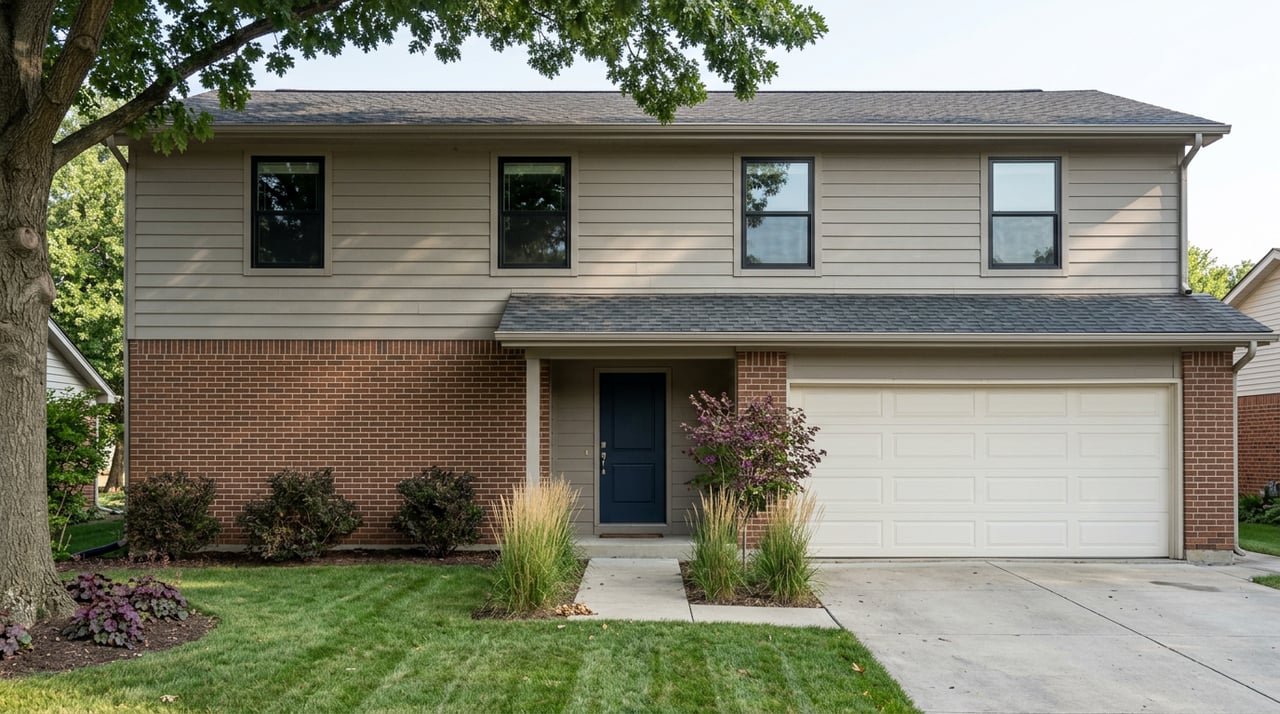
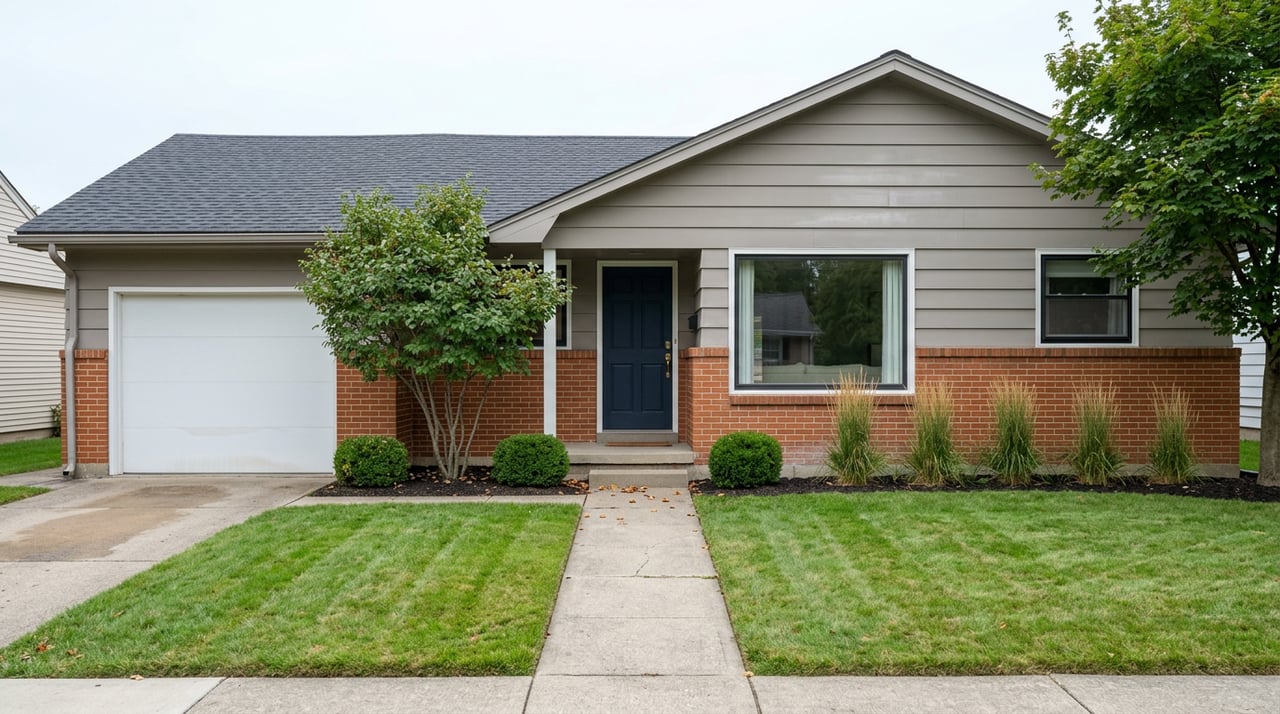
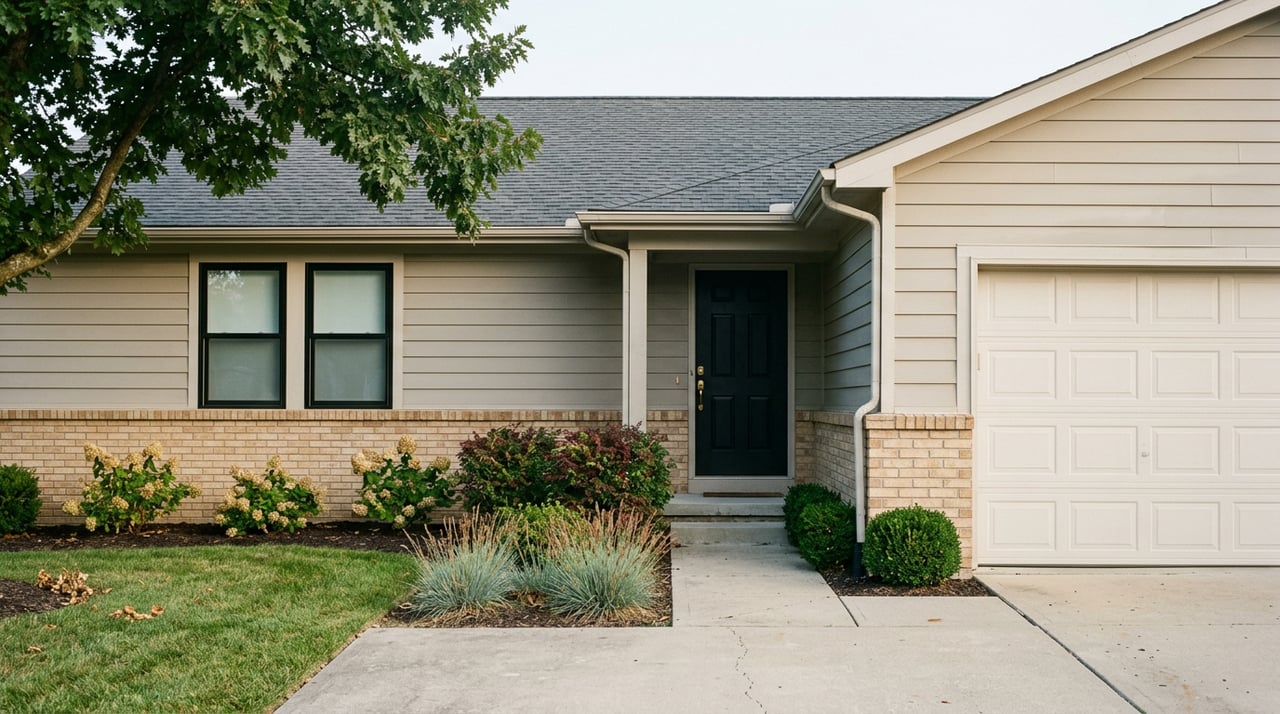
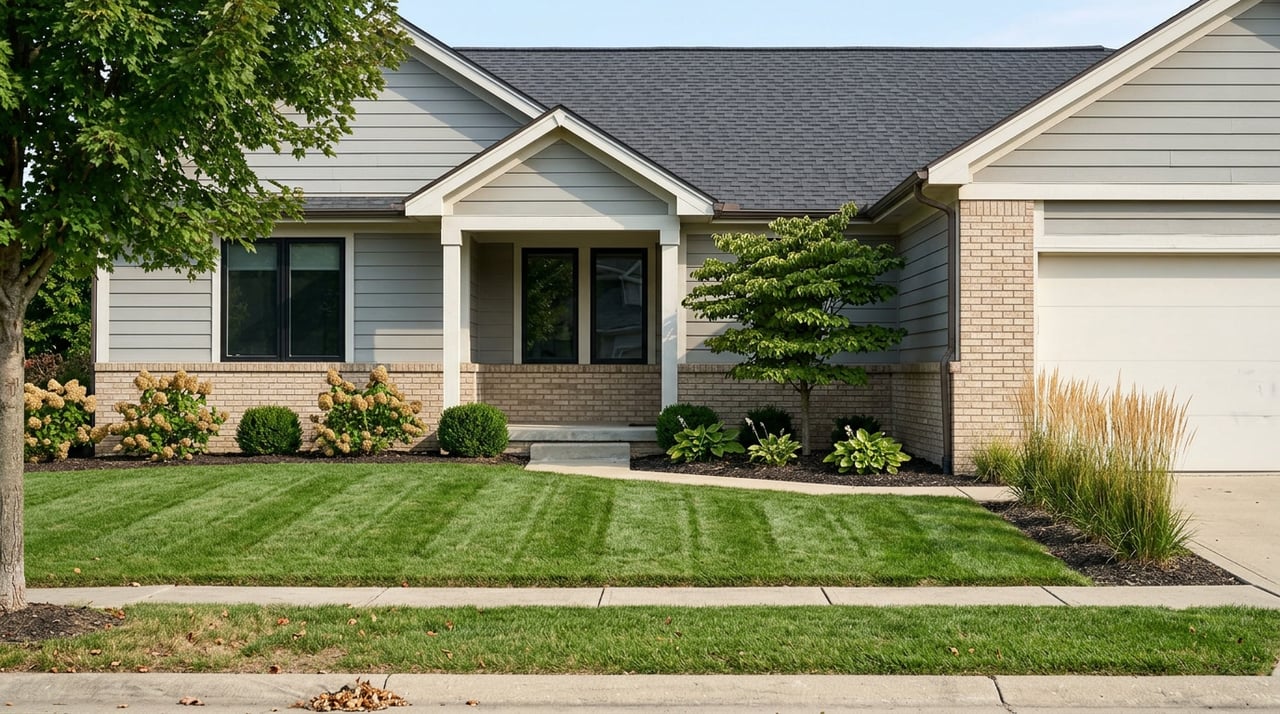
- Curb appeal: tidy yard, clean entry, updated exterior lighting, and a fresh-looking front door.
- Interior basics: neutral paint, clean flooring, and bright, consistent lighting. Small kitchen and bath refreshes can go a long way.
Seller checklist
- Get local comps for both as‑is and updated condition.
- Order a pre‑listing inspection to find deal-killers early.
- Collect 2 to 3 contractor bids with timelines.
- Verify permit needs with the local building department.
- Model net proceeds for each path: as‑is vs targeted repairs vs full remodel.
- Consider buyer pool and financing impacts based on condition.
- Keep all receipts and documentation for disclosures and tax basis.
How Favela Real Estate helps
You do not have to guess. Our local team pairs pricing expertise with in‑house renovation know‑how, so you can see clear side‑by‑side paths before you commit. We help you pull comps, line up a pre‑listing inspection, and get reliable contractor bids.
If the right move is targeted repairs, our construction experience helps you focus on the few fixes that protect appraisal and expand your buyer pool. If selling as‑is is smarter, we market to both retail buyers and a network of investors across Northwest Indiana to maximize your outcome.
Ready to compare your options with local data and a clear plan? Reach out to Favela Real Estate to Get Your Free Home Valuation.
FAQs
Is selling a house as‑is legal in Indiana?
- Yes. You can sell as‑is, but you must disclose known defects and follow federal rules for pre‑1978 homes, including the EPA lead disclosure.
How does condition affect FHA and VA buyers?
- FHA and VA have minimum property standards, so safety or habitability issues often must be fixed before closing to meet lender and appraisal requirements.
Which upgrades usually deliver the best ROI at sale?
- Low-cost cosmetic updates and curb appeal improvements typically recoup the highest share, while full remodels have more variable payback.
Should I order a pre‑listing inspection before I decide?
- Yes. It helps you identify high-risk items, price accurately, and choose between as‑is, targeted repairs, or a larger renovation.
How long could renovations delay my listing?
- Cosmetic work can be days to a few weeks, systems work with permits can be 2 to 8 weeks, and major rehabs can take several months.