Wondering if downsizing in Dyer will actually make life easier, or just give you a different house with the same chores? That is a fair question, especially in a market where many homeowners are not moving far and home values remain relatively strong. If your goal is less upkeep, lower day-to-day hassle, and a smoother next chapter, it helps to know which low-maintenance options truly fit that plan. Let’s dive in.
Why downsizing in Dyer looks different
Downsizing in Dyer is often less about chasing the lowest possible price and more about simplifying your lifestyle. Dyer has about 16,400 residents, a median age of 47.1, and a median owner-occupied home value of $322,200. That price point sits above Indiana’s median and just below the national median, so many local moves are about reducing upkeep rather than making a dramatic budget cut.
Dyer also has relatively low year-over-year mobility, which points to a stable community with many long-term residents. If you already live nearby, that can make downsizing feel more practical than relocating far away. You may be looking for a home that keeps you close to familiar routines while cutting back on maintenance.
Low-maintenance home types in Dyer
When you start your search, the biggest question is usually simple: what kind of home will give you the least work? In the Dyer area, the answer depends on how much control, privacy, and responsibility you want to keep. The property type matters, but the details matter even more.
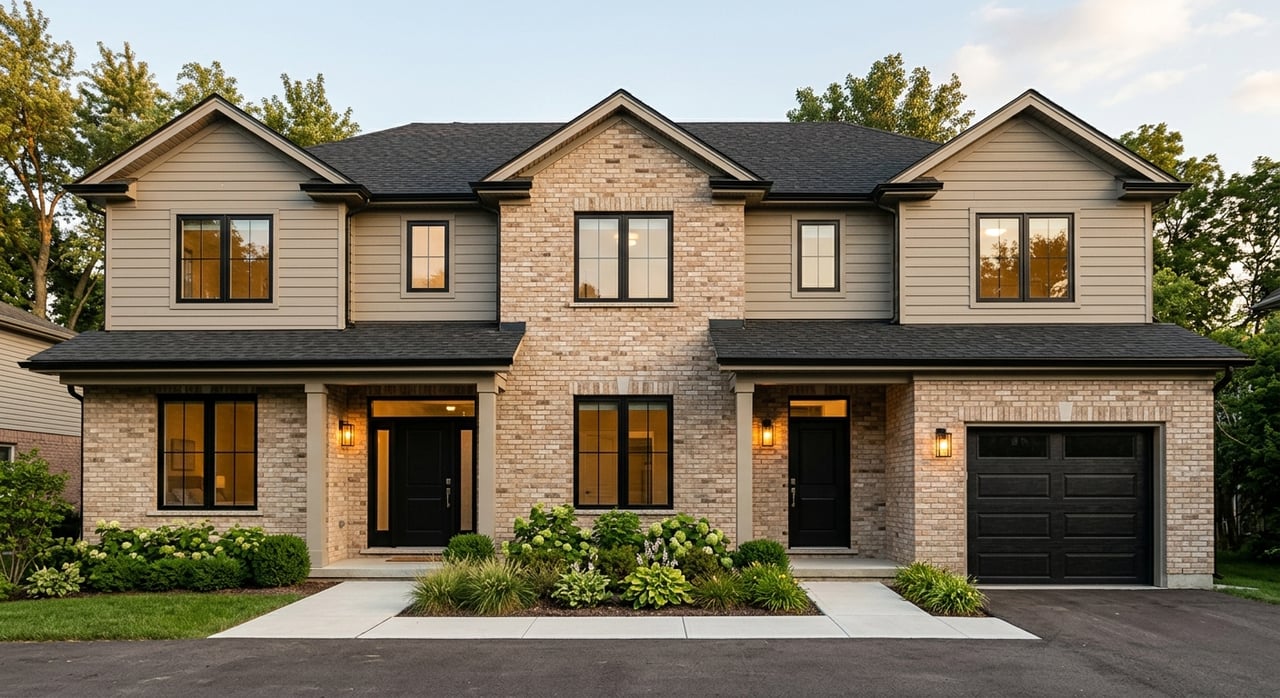
Condos and attached living
In Indiana, a condominium is a distinct legal structure. The unit you own is generally the interior space, while common elements are shared, and the association uses its bylaws to authorize maintenance spending. For many downsizers, that setup is appealing because it can shift exterior work and common-area upkeep away from you.
That can mean less time spent on lawn care, snow removal, or exterior repairs, depending on the community. The tradeoff is that you usually pay monthly dues and agree to community rules. In other words, attached living can reduce hands-on chores, but it does not remove decision-making altogether.
Townhome-style communities
Some townhome-style communities can offer a similar low-maintenance lifestyle, especially if an association handles exterior tasks. These homes may give you a bit more space or a layout that feels closer to a traditional house. Still, you should not assume every townhome community offers the same level of maintenance coverage.
The key is to verify what the dues actually cover. One community may include landscaping and snow removal, while another may leave more of that work to the owner. That is why the community documents matter more than the label on the listing.
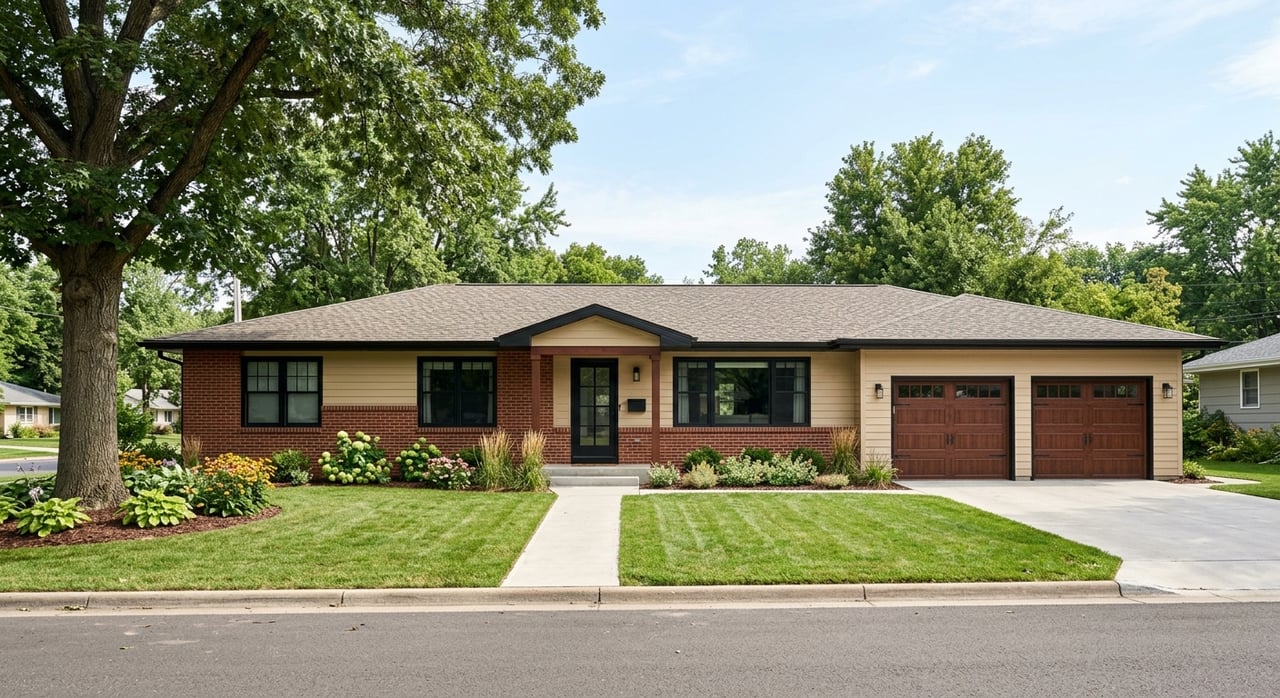
Smaller detached homes and ranch plans
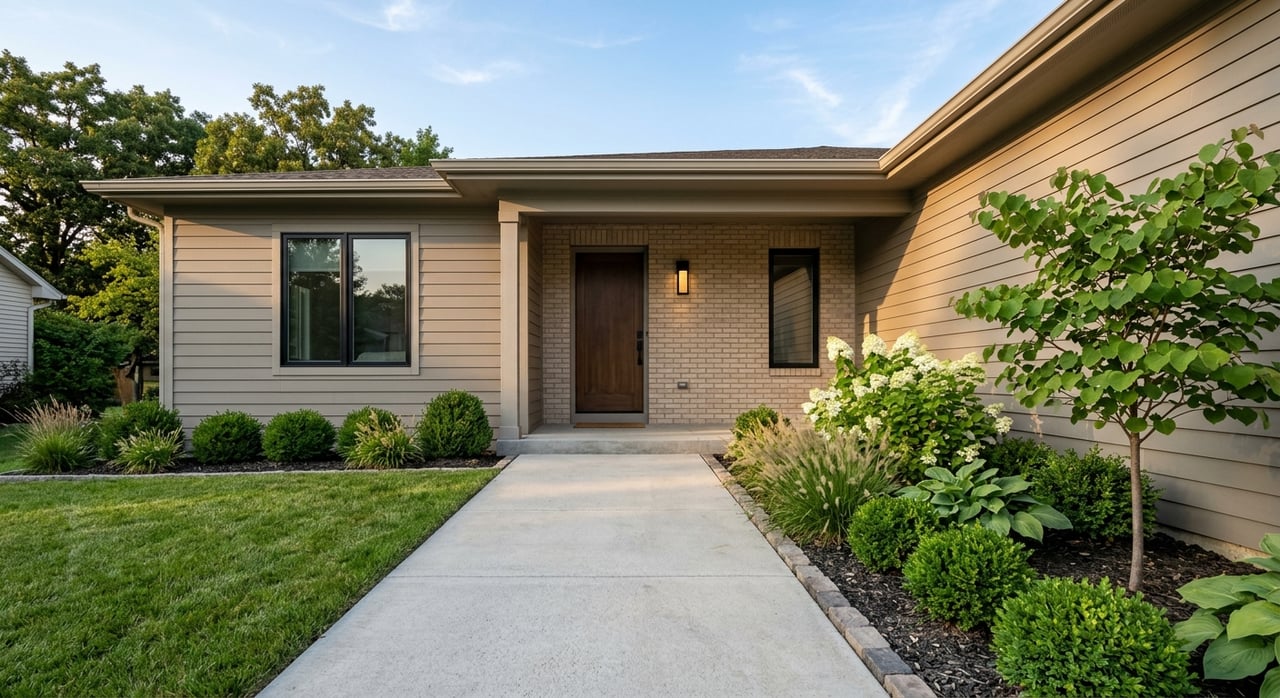
A smaller detached home can still be a smart downsizing option if you want privacy and simpler living. Ranch-style homes are especially popular with buyers who want fewer stairs and a more manageable layout. They can feel lower maintenance because of a smaller footprint, newer systems, or a modest yard.
That said, detached homes usually leave more routine maintenance in your hands than an attached home would. You may still be responsible for the roof, siding, lawn, and snow. If you want fewer obligations without giving up the feel of a standalone home, a compact and updated detached property may be a good middle ground.
Dyer compared with nearby towns
If you are open to staying close but not necessarily staying in Dyer, nearby towns can widen your choices. Median owner-occupied home values in the area show a noticeable range: Munster is at $334,300, Schererville at $314,900, Crown Point at $294,800, and Gary at $112,400. That gives local downsizers several nearby price bands to consider.
At the same time, not every town offers the same housing mix. Schererville and Crown Point remain mostly single-unit, owner-occupied markets, which means attached options may be available but not dominant. Gary is much less owner-occupied than those suburban towns, so the housing profile differs more sharply there.
For you, the takeaway is practical. If you want low-maintenance living without leaving Northwest Indiana, you may need to search with discipline and compare communities carefully. The best fit may be in Dyer, or it may be in a nearby town with a different mix of attached and detached homes.
What “low maintenance” really means
A lot of buyers hear “low maintenance” and assume it means carefree living. In reality, it usually means the work is handled differently, not that it disappears. The question is whether you want to do the work yourself or pay dues for someone else to manage part of it.
With condos and many HOA communities, you may gain convenience because the association handles some exterior or shared-area tasks. In exchange, you take on dues, rules, and shared decision-making. With a smaller detached home, you keep more independence, but you may still need to manage routine repairs and seasonal work.
That is why the truly lowest-maintenance option is not the same for everyone. If your top priority is reducing outdoor chores, attached living may be the better fit. If your priority is privacy and control, a smaller detached home may feel more comfortable even if it involves more upkeep.
Questions to ask before buying
Before you buy into any low-maintenance community, make sure you understand exactly what is covered and how the property is run. Indiana law treats condominiums and homeowners associations as separate structures, and the governing documents control maintenance authority, procedures, and spending. That means the real answer is in the paperwork.
Here are smart questions to ask when comparing options:
- Who handles lawn care?
- Who handles snow removal?
- Are roofs and siding covered by the association?
- What about fences, parking areas, or driveways?
- Are there pet rules?
- Are rentals allowed?
- Are there approval rules for exterior or interior changes?
- How much are the dues?
- Does the association have adequate reserves?
You should also compare the dues to the value of the work you are no longer doing yourself. A higher monthly fee may be worth it if it meaningfully reduces your time, stress, and surprise repair costs. On the other hand, if the fee mainly covers administration and not much maintenance, the lifestyle shift may be smaller than you expected.
Planning the move in Indiana
A good downsizing plan is not only about choosing the right home. It is also about timing the sale, purchase, and paperwork so your move stays organized. In Indiana, that planning matters more than many sellers realize.
Indiana generally requires sellers of one- to four-unit residential property to complete the seller’s residential real estate sales disclosure form before an offer is accepted. Separate sales-disclosure instructions also say the form must be reviewed by the county assessor and included with the conveyance, and the county auditor may not accept the transfer if it is missing or incomplete.
If the home you are buying is part of an HOA or condo association, those documents also need careful review before closing. Indiana’s seller disclosure form asks whether a property is subject to covenants, conditions, or restrictions of a homeowners association. That makes association status a material part of the sale, not a side detail.
Do not overlook property tax details
Property taxes in Indiana are paid in arrears, with annual installments due in May and November. County guidance also notes that homestead-related deductions are tied to your primary residence, and homeowners should notify the auditor within 60 days of a change in homestead eligibility or use.
For downsizers, this means your sale calendar should account for tax updates, not just moving boxes and closing dates. If you sell one primary residence and buy another, you want to stay on top of your homestead status and local filing steps. A well-planned move helps you avoid loose ends after closing.
How to choose the right fit
The best downsizing move in Dyer starts with your actual goal, not just the square footage. If you want fewer chores and are comfortable with dues and community rules, a condo or townhome-style property may give you the clearest path to low-maintenance living. If you want privacy and simpler one-level living, a smaller ranch or compact detached home may be the better match.
It also helps to think through your next five to ten years. Consider how much space you truly use, how much maintenance you want to manage, and whether staying near Dyer or expanding your search to nearby towns opens up better options. A smart move is not only smaller. It is easier to live in, easier to manage, and better aligned with how you want to spend your time.
When you are ready to compare low-maintenance options in Dyer and nearby Northwest Indiana communities, Favela Real Estate can help you sort through the details, review your options, and make a move that fits your lifestyle.
FAQs
What are the lowest-maintenance home options in Dyer?
- In general, condos and some townhome-style communities can be the lowest-maintenance options because exterior and common-area work may be handled by the association, while smaller detached homes can still be low maintenance if they have a modest footprint and yard.
How does downsizing in Dyer compare with nearby towns?
- Dyer’s median owner-occupied home value is $322,200, which places it between higher-value Munster and lower-value Crown Point, while Gary sits much lower than the suburban price band.
What should you ask an HOA before buying in Dyer?
- You should ask about dues, reserves, lawn care, snow removal, roofs, siding, fences, parking, pets, rentals, and approval rules because those details are controlled by the association documents.
What paperwork matters when downsizing in Indiana?
- Key items include the seller’s residential real estate sales disclosure form, the sales disclosure form tied to the transfer, any HOA or condo documents, and homestead-related updates with the county auditor.
Are detached ranch homes still good for downsizing in Dyer?
- Yes, a detached ranch can be a strong downsizing option if you want fewer stairs, a smaller layout, and more privacy, but you will usually keep more maintenance responsibility than you would in an attached community.