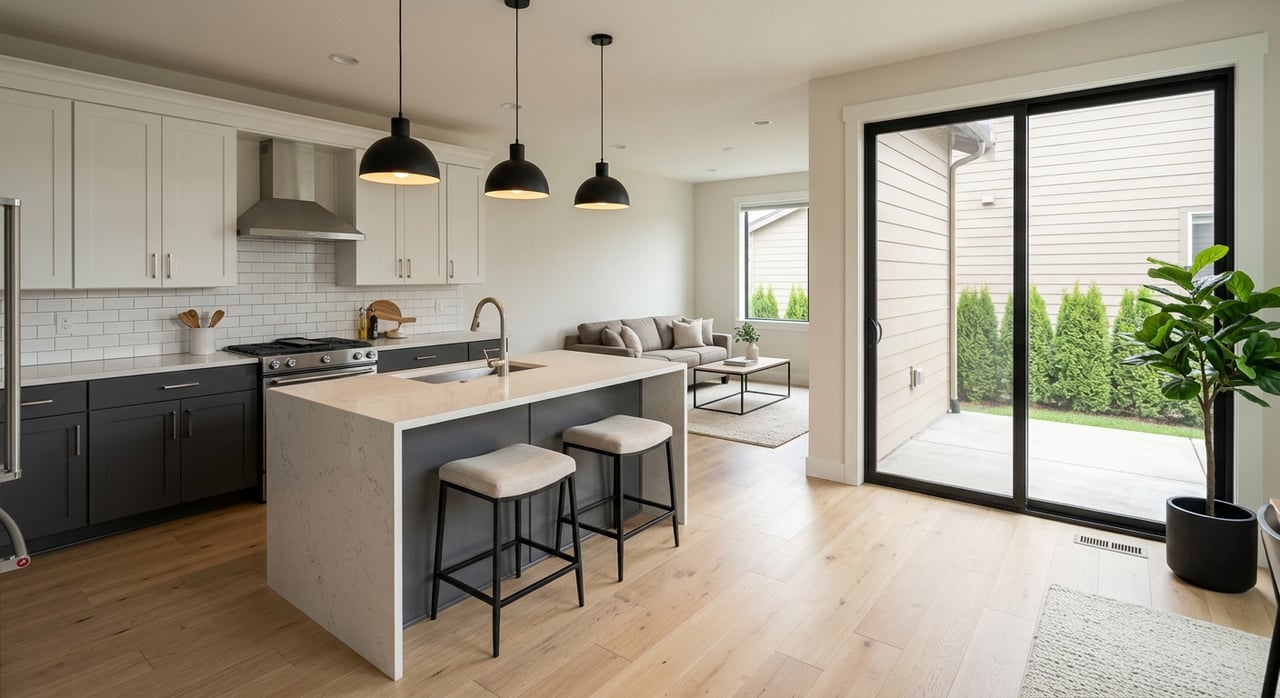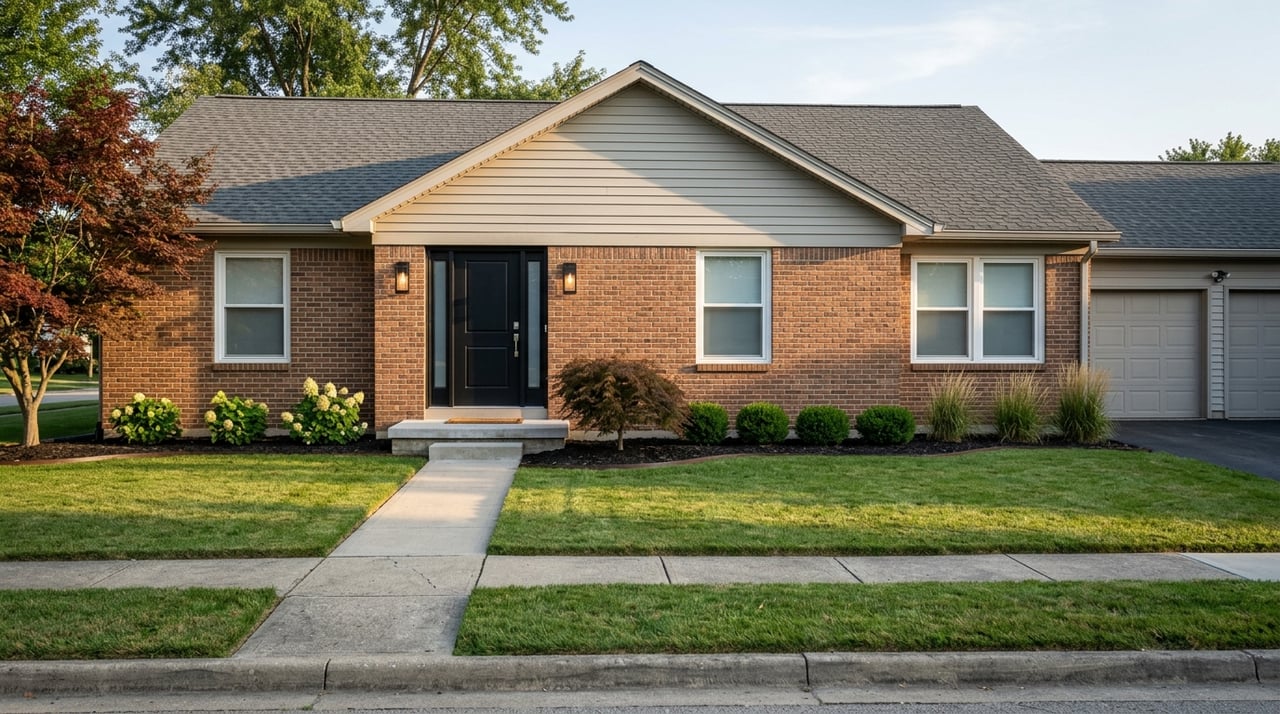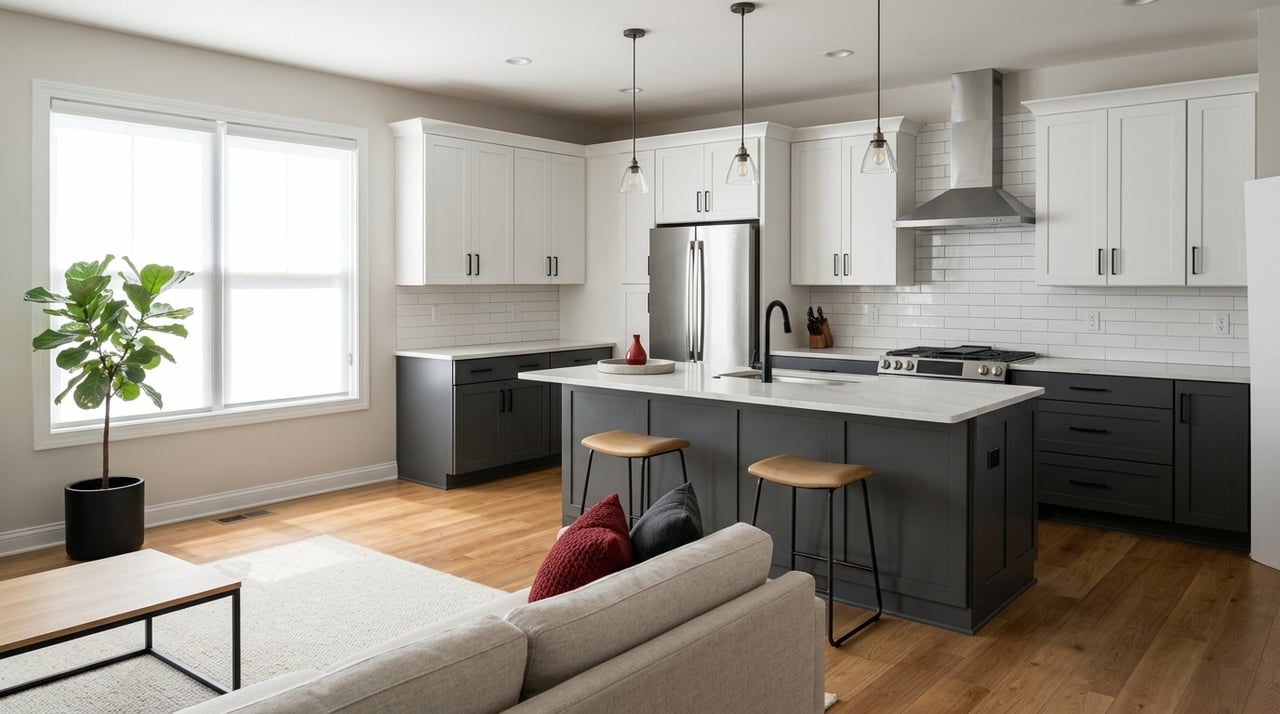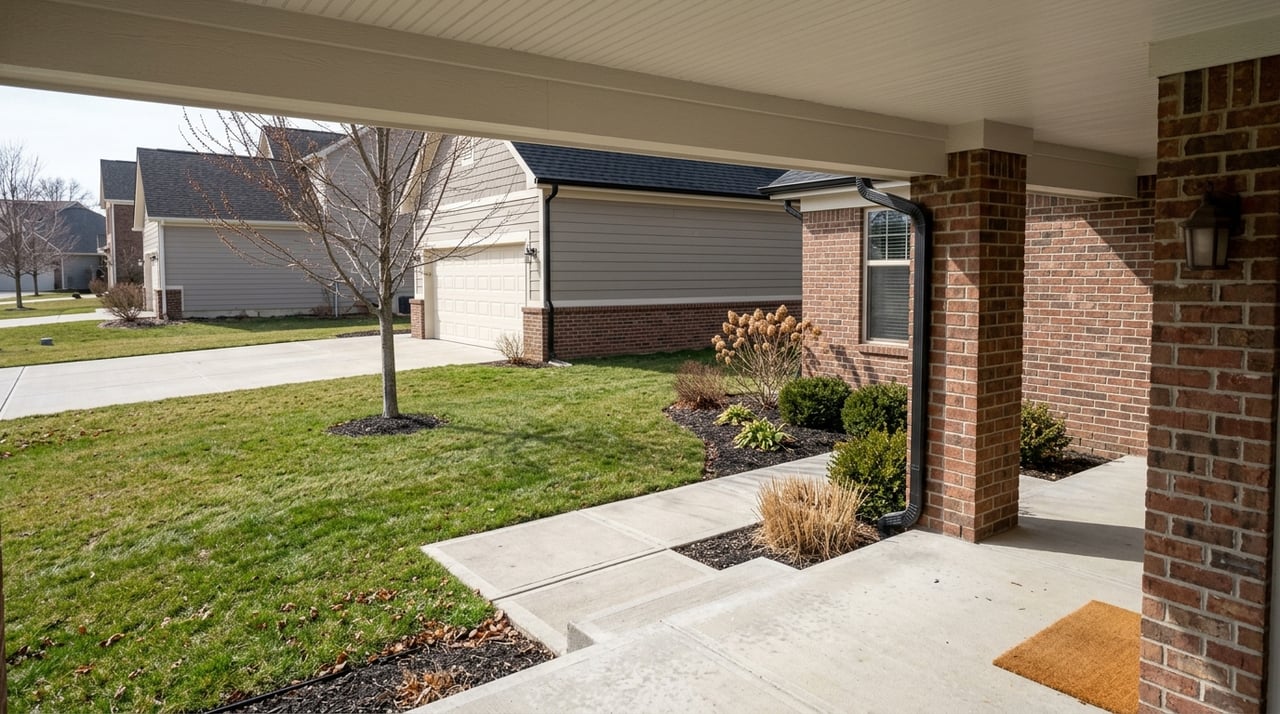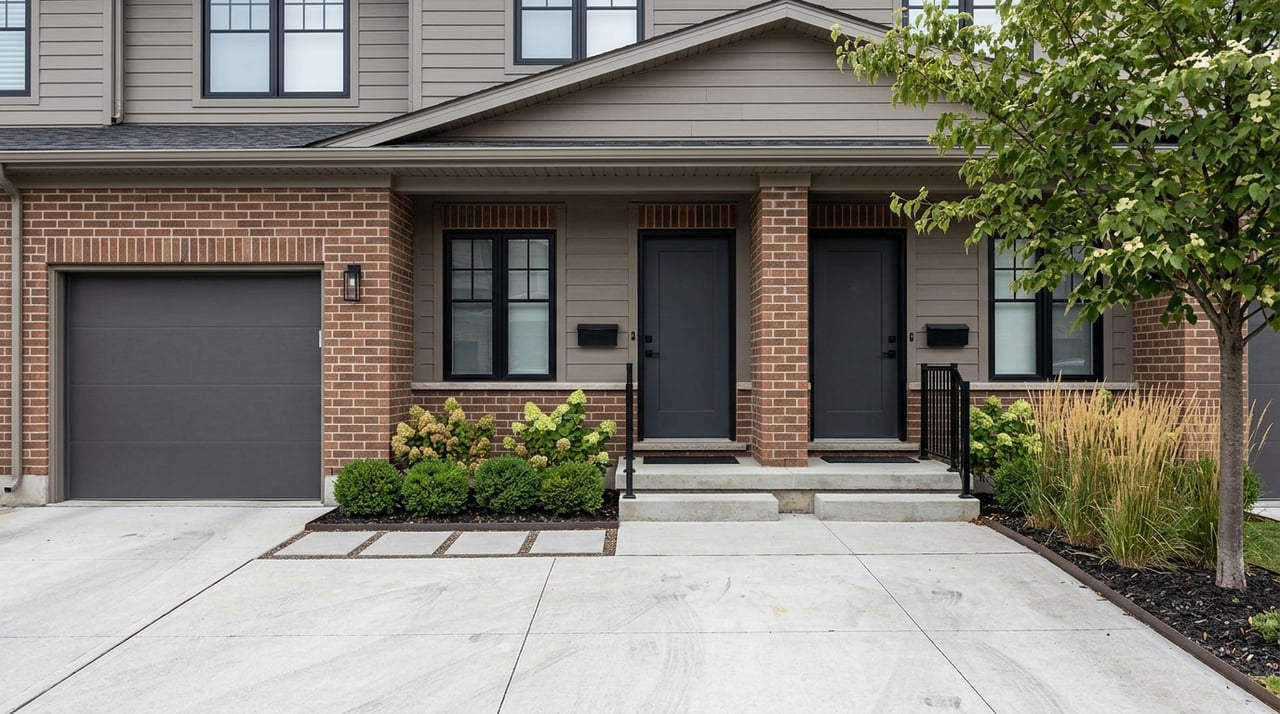
Wondering if a townhome in Highland could simplify your life without pulling you away from the Northwest Indiana lifestyle you love? If you want less yard work, easier upkeep, and a location that still keeps you close to local shopping, parks, and commuter routes, townhome living may be worth a closer look. The key is knowing that "townhome" in Highland can mean a few very different things, from low-fee attached homes to condo-style units with more shared maintenance. Let’s break down what Highland townhome living really looks like so you can decide if it fits your goals.
Why Highland appeals to low-maintenance buyers
Highland offers a compact suburban setting in Lake County with an estimated population of 23,497 as of July 2024, according to the U.S. Census Bureau. The town also notes that it is about 21 miles from Chicago and just minutes from Lake Michigan, which helps explain why many buyers see it as a practical home base.
For many people, the appeal is not just the home itself. Highland also highlights local parks, the Erie-Lackawanna Trail and recreation amenities, which support an active, lower-maintenance lifestyle where you can spend more time enjoying the area and less time managing a large property.
What Highland townhomes look like now
One of the biggest things to know is that Highland does not have a huge supply of townhomes at any given time. Current listings referenced in the research show a small number of attached-home options, so buyers may need to act quickly when the right property appears.
Price and layout can vary quite a bit. Recent examples range from about $210,000 to $270,000 for attached units around 1,100 to 1,500 square feet, while a much larger attached townhouse was marketed near $390,000. That means your experience can be very different depending on the community, the ownership structure, and what the HOA covers.
Common size and layout ranges
Many Highland attached homes fall into a practical, manageable size range. Several examples are around 1,100 to 1,500 square feet, often with two bedrooms, one or two bathrooms, and an attached garage.
That said, not every option is small. Some attached homes offer more house-like living, including three bedrooms, larger garages, basements, loft areas, and more private outdoor space. In other words, Highland townhome living is more of a spectrum than a single category.
Real examples show the range
A few recent properties help show how varied the market can be:
- 3721 Sandalwood Dr is a one-story 2-bedroom townhouse with 1,125 square feet, a 1-car garage, and a $94 monthly HOA that covers grounds maintenance and snow removal.
- 2649 Georgetowne Dr Unit B-2 is a 2-bedroom, 2-bath condo-style unit with 1,264 square feet, a 1-car garage, and a $300 monthly HOA covering grounds maintenance, trash, snow removal, and structure maintenance.
- 9149 Waymond Ave is a 3-bedroom, 2.5-bath townhome with 1,531 square feet, a fenced yard, a larger attached garage, and no HOA fees listed.
These examples show why it is smart to read past the word "townhome" and focus on the details that affect your daily life and monthly budget.
Townhome vs single-family in Highland
For some buyers, a townhome is the sweet spot between a condo and a detached house. You may get attached garage parking, a simpler exterior-maintenance routine, and a more manageable footprint. But you may also give up some private yard space and flexibility.
In Highland, that tradeoff is especially important because attached homes can look very different from one another. Some feel close to condo living, while others feel much more like a traditional home that happens to share a wall.
Maintenance can get easier
One major reason buyers consider townhomes is the chance to reduce routine outdoor work. Some Highland HOA arrangements cover services like landscaping, snow removal, trash, and even some structure maintenance, depending on the property.
That can be a real benefit if you want less weekend upkeep. Instead of spending your time on mowing, snow clearing, or exterior chores, you may be able to focus more on work, travel, hobbies, or simply enjoying your home.
Yard space is usually smaller
The outdoor-space tradeoff is real, even if it is not the same in every community. Research shows nearby single-family Highland listings often have lots around 6,000 to 9,500 square feet, while attached-home examples may range from very limited outdoor space to lots around 1,742 to 5,663 square feet.
If a large yard is high on your wish list, a detached home may still make more sense. If your goal is easier upkeep with enough outdoor space to enjoy without a lot of work, a townhome may be a strong fit.
HOA rules can change the experience
The Fannie Mae HOA guide makes an important point: in HOA-governed communities, the association may set standards, collect fees, and enforce rules. Buyers should review the community's governing documents, financial statements, reserve funds, and any risk of special assessments before closing.
That matters in Highland because local examples show a wide range of HOA structures. One attached home had no HOA fee, another had a modest $94 monthly fee, while others were listed at $240 or $300 per month. The monthly number alone does not tell the full story, because the services included can vary just as much.
Who Highland townhome living fits best
Townhome living in Highland often makes sense for buyers who want convenience without leaving the area. Based on the local market and town setting, it can be especially appealing if you value a simpler routine more than a large private lot.
It may be a good fit if you are a first-time buyer, downsizer, busy professional, or commuter who wants to stay close to Northwest Indiana and the broader Chicago region. The combination of local amenities, trail access, and attached-home options creates a practical middle ground for many buyers.
Good fit for first-time buyers
If you are buying your first home, a townhome can offer a more approachable step into ownership. Many attached homes in Highland fall into price points that may feel more manageable than some detached alternatives, while still offering features like garages and multiple bedrooms.
Just remember that lower-maintenance does not mean maintenance-free. As Fannie Mae notes, HOA fees do not replace your mortgage, insurance, or interior repair responsibilities.
Good fit for downsizers
If you want to reduce upkeep but still keep more privacy and space than a typical apartment, a townhome can be a smart next move. Single-level layouts, attached garages, and smaller outdoor areas may help make day-to-day living more convenient.
This can be especially appealing if you want to stay in Highland near familiar amenities while simplifying your housing responsibilities.
Good fit for commuters and busy households
Highland's location is a practical draw for people commuting within Northwest Indiana or toward the Chicago area. A home that reduces exterior chores can make your schedule easier to manage, especially during winter months when snow removal may be included in some associations.
If your time is limited, that convenience can matter just as much as square footage.
Questions to ask before you buy
Because Highland townhomes vary so much, asking the right questions early can save you time and stress. Focus on the details that affect your monthly costs, your freedom as an owner, and your long-term comfort.
Ask what the HOA actually covers
Do not assume every fee covers the same services. In Highland, some examples include only grounds maintenance and snow removal, while others also include trash service and structure maintenance.
A higher fee is not always worse if it reduces your future repair exposure or adds meaningful convenience. The important thing is understanding what you are getting.
Ask about reserves and assessments
Fannie Mae advises buyers to review reserve funds and understand the possibility of special assessments. A community with weak reserves may be more likely to require additional owner contributions in the future.
This is one of the most important parts of your due diligence, especially in properties where the HOA maintains structural components.
Ask about parking and storage
Parking in Highland attached homes is not one-size-fits-all. Some properties have a 1-car garage, some have larger attached garages, and some include driveway parking or extra storage features.
If you have multiple vehicles, need guest parking, or want room for bikes, tools, or seasonal items, check this before you fall in love with the floor plan.
Ask about rules and restrictions
Before you buy, review whether the community has restrictions related to exterior changes, pets, rentals, or other ownership rules. According to Fannie Mae, buyers should read the CC&Rs or bylaws before planning exterior modifications.
This matters even in communities that seem relaxed at first glance. You want your lifestyle and the property's rules to line up from the start.
So, is Highland townhome living right for you?
If you want lower day-to-day upkeep, convenient access to Highland amenities, and a home that may offer garage parking and a manageable layout, the answer could be yes. If you want the biggest possible yard, maximum privacy, or complete freedom from HOA oversight, a detached home may be the better match.
The biggest takeaway is simple: Highland townhomes are not all the same. Some are closer to condo-style living, some feel more like traditional attached houses, and the monthly fees and responsibilities can vary a lot from one property to the next.
That is why local guidance matters. If you want help comparing attached homes, understanding HOA tradeoffs, or finding the right fit in Highland and nearby Northwest Indiana communities, connect with Favela Real Estate.
FAQs
What is townhome living like in Highland, Indiana?
- Townhome living in Highland can range from condo-style units with shared maintenance to larger attached homes with more private space, garages, and in some cases no HOA fees.
How much are HOA fees for Highland townhomes?
- Recent Highland examples showed a wide spread, including no HOA fee, about $94 per month, $240 per month, and $300 per month, depending on the property and what the association covers.
What do Highland townhome HOAs usually cover?
- Coverage varies by community, but recent listings included combinations of grounds maintenance, snow removal, trash service, and structure maintenance.
Are Highland townhomes good for first-time buyers?
- They can be a strong option for first-time buyers who want a simpler exterior-maintenance routine, manageable square footage, and features like attached garages, but buyers should still review total monthly costs carefully.
Do Highland townhomes have garages and parking?
- Many do, but the setup varies, with recent examples including 1-car garages, larger attached garages, driveways, and different storage options.
Is a Highland townhome better than a single-family home?
- It depends on your priorities. A townhome may offer less upkeep and smaller outdoor responsibilities, while a single-family home may offer more yard space, privacy, and flexibility.