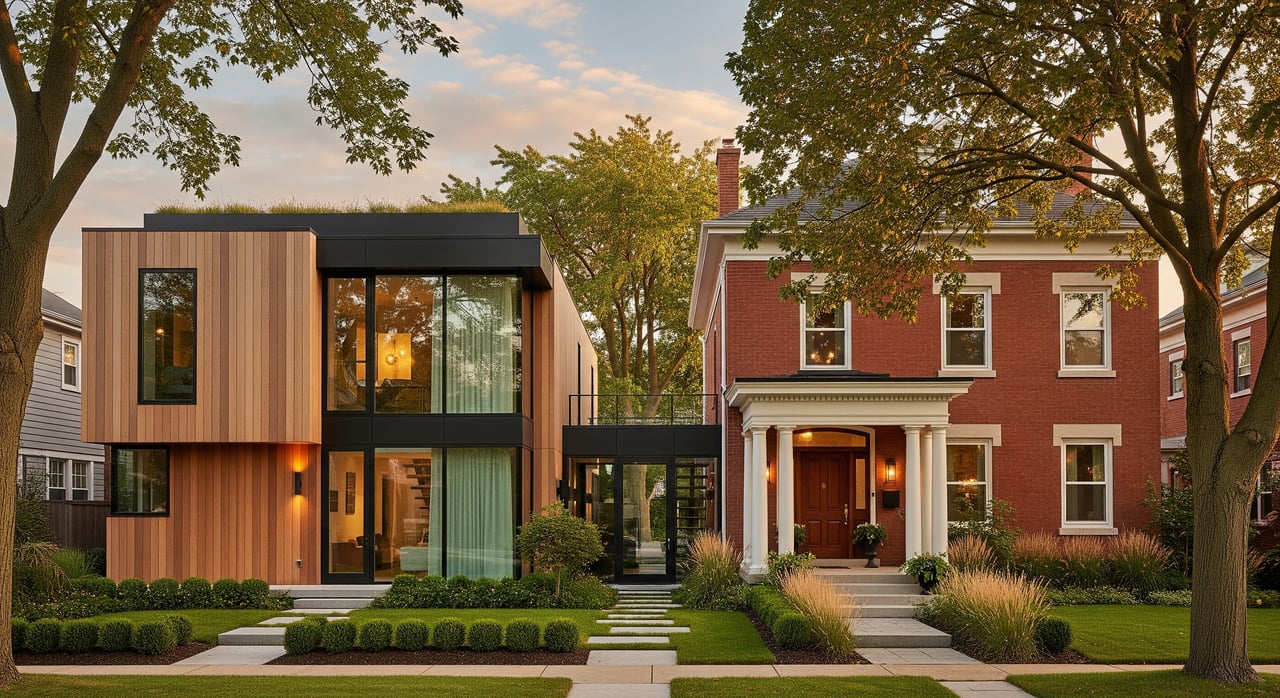
Trying to choose between a brand-new build and a renovated home in Dyer? You are not alone. Many Northwest Indiana buyers weigh price, timeline, commute, and risk before they make a move. In this guide, you will learn how each option stacks up in Dyer and nearby Lake County communities like Gary, so you can buy with confidence. Let’s dive in.
Local context that shapes your choice
Dyer sits in the Chicago commuter orbit, and parts of Lake County function as suburbs for both Northwest Indiana and Chicago jobs. Your commute, access to I-80/94, and proximity to regional transit all influence demand and pricing. If you plan to work in Chicago or along major corridors, factor travel time into neighborhood selection.
Across Lake County, micro-markets can vary street by street. Dyer offers suburban single-family neighborhoods with many buyers seeking move-in-ready homes. Gary is a large city with neighborhoods in different stages of redevelopment. If you are exploring Gary or industrial-legacy areas, add environmental due diligence to your checklist.
Permitting and inspections run through municipal building departments and Lake County offices. Processes, fees, and timelines can differ between the Town of Dyer and the City of Gary. These differences affect both new construction schedules and renovation plans.
New construction at a glance
New construction gives you modern layouts, new mechanicals, and current building-code compliance. Builders often include warranties, and you can sometimes personalize finishes before or during construction. Many buyers value the lower near-term maintenance and energy-efficiency.
That convenience comes with trade-offs. New builds can carry a price premium, lot premiums in popular suburbs, and a longer wait. Early-phase subdivisions may lack mature landscaping and nearby amenities. Quality depends on the builder, so due diligence on reputation and contract terms is essential.
New construction pros
- Modern systems and code-compliant materials
- Energy-efficiency and fewer near-term repairs
- Builder warranties with defined coverage periods
- Customization options for finishes and features
New construction cons
- Price premium over many older homes
- Longer timeline, often 6 to 12 months or more
- Newer neighborhoods may be less established at move-in
- Builder quality and punch-list handling can vary
What drives new-build cost
Your total price includes land or lot costs, base build price, upgrades, and site work like utilities and grading. Add permit and impact fees and the builder’s overhead and profit. If you need interim housing during construction, include those carrying costs in your budget.
Renovated homes at a glance
Renovated or older homes can offer lower purchase prices per square foot and place you in established neighborhoods with mature trees and built-in amenities. You might find architectural character that is hard to reproduce in new builds. Negotiation opportunities can also arise when inspections reveal needed updates.
The risk with older homes is hidden condition issues. Electrical, plumbing, structural movement, or the presence of lead-based paint or asbestos can add costs. Non-permitted past work can complicate appraisals and insurance. If you plan further renovations, schedules and budgets can expand beyond initial estimates.
Renovated home pros
- Often lower price for comparable space
- Established neighborhoods and existing amenities
- Potential to negotiate based on condition
- Opportunity to secure a location without waiting for a subdivision to mature
Renovated home cons
- Potential hidden issues in structure and systems
- Appraisal and insurance hurdles with non-permitted work
- Renovation scope and costs can grow during the project
- Older systems may mean higher insurance premiums
What drives renovation cost
Your total cost includes the purchase price plus renovation hard and soft costs. Add permit fees, inspections, design, contingency, and carrying costs like taxes and interest during work. Large projects can approach or exceed a new-build price, while cosmetic updates are far less expensive.
Timeline: when you need keys
- New construction: commonly 6 to 12 months or longer from permit issuance, depending on lot readiness and builder backlog.
- Renovated homes: move-in can be fast if a property is truly turnkey. Cosmetic refreshes may take weeks; full rehabs often run for months.
If you need to move on a specific date, confirm builder schedules or contractor availability before you commit.
Financing options to compare
- Standard mortgages: used for completed homes, whether new or renovated, if the property meets appraisal and lender guidelines.
- Construction-to-permanent loans: fund the build in draws, then convert to a permanent mortgage at completion. You will need a detailed budget and an approved builder.
- Renovation loans: FHA 203(k) and Fannie Mae HomeStyle let you combine purchase and renovation costs in one loan, subject to program rules and lender approvals. Some eligible veterans can access VA renovation options.
- Post-closing financing: cash-out refinance or a HELOC can fund improvements after you own the home.
Your lender can help match your budget, down payment, and timeline to the right product.
Taxes, insurance, and appraisals
Property taxes in Lake County are assessed at the county level and can vary by neighborhood. New construction and significant renovations typically trigger reassessment. Factor the likely tax change into your payment.
Insurance premiums may be higher for older homes due to older systems or roof age, and in areas with higher environmental or flood risks. Insurability can affect your loan options. For appraisals, new builds in early subdivisions may have fewer comparable sales, while renovated homes need permitted, standard work to support value.
Environmental and permitting notes
In and near Gary, legacy industrial uses raise the chance of brownfields, soil contamination, or vapor intrusion. If you are buying an older home or a vacant lot, consider environmental due diligence. Local building code adoption and enforcement determine energy, structural, and mechanical standards for new builds. Confirm requirements with the municipal building department where the property is located.
Buyer checklist: new construction
- Verify the builder’s recent projects, references, and warranty terms
- Request a detailed contract with allowances, change-order process, and milestones
- Hire independent inspections at key stages, including pre-drywall and pre-closing
- Confirm lot drainage, utility hookups, HOA rules, and any impact fees
- Check local permit timelines and requirements in Dyer or Gary
Buyer checklist: renovated homes
- Order a full home inspection plus trade-specific checks as needed
- Verify permits and final inspections for major past work
- Ask for contractor warranties and lien releases
- Consider environmental checks where industrial legacy risks exist
- Budget for repairs even in a recently renovated home
Seller considerations in Dyer and Lake County
If you are deciding whether to renovate before listing or to sell as-is, start with local comps. Targeted updates like a kitchen refresh, paint, flooring, and curb appeal often deliver stronger ROI than full gut rehabs. Large projects require time and add carrying costs.
If you are considering building a spec home, validate demand for the floor plan and price point in the specific neighborhood. Coordinate contractor bids, timelines, and expected after-repair or after-build value before you break ground.
Who should consider new vs renovated
- Choose new construction if you value low maintenance, current building standards, and the ability to customize, and you have time for the build.
- Choose a renovated home if you want a faster move-in, a potentially lower price, and an established location, and you are comfortable vetting condition risks.
Your commute, neighborhood priorities, and comfort with project management will tip the scales. Schools are a frequent priority for many buyers. Always review school information from official sources and decide what best meets your needs.
How Favela Real Estate can help
You get more than basic brokerage. With local market expertise across Dyer, Gary, and Lake County, plus affiliated renovation and development capability through Favela Homes, you can compare real numbers on both paths. Whether you want a builder-ready lot, a vetted new subdivision, a turnkey renovated home, or a value purchase with a clear renovation plan, our team can guide you from search to closing with practical timelines and costs.
Ready to compare options side by side and make a confident choice in Dyer or anywhere in Lake County? Reach out to Favela Real Estate for a local plan that fits your budget and timeline.
FAQs
What costs differ most between new construction and renovated homes in Dyer?
- Land or lot premiums and builder upgrades drive new-build totals, while older homes hinge on renovation scope, permits, contingencies, and carrying costs during work.
How fast can I move into each option in Lake County?
- A completed renovated home is usually fastest, while new construction often takes 6 to 12 months or more unless an inventory home is already near completion.
What financing works for home renovations in Northwest Indiana?
- FHA 203(k) and Fannie Mae HomeStyle can combine purchase and renovation in one loan, while HELOCs or cash-out refinances fund projects after closing.
How will property taxes change after I build or renovate in Lake County?
- New construction and significant renovations typically trigger reassessment by the county, which can increase your tax bill; check projected assessments before you commit.
Do I need environmental due diligence when buying in or near Gary?
- In areas with industrial history, consider soil, vapor, or related checks on older homes or vacant lots to reduce risk and protect financing and insurance options.
What inspections matter most for older homes in Dyer and Gary?
- Focus on structure and foundation, roof, electrical panel and wiring, plumbing material, HVAC age, and any signs of water intrusion, mold, or pest damage.
Are builder warranties standard on new homes in Dyer?
- Many builders offer a 1-year workmanship warranty, a 2-year mechanical warranty, and longer structural coverage, but terms vary so review the contract closely.
How do appraisals work for new subdivisions with few comps?
- Appraisers may use nearby sales and adjust for differences; early-phase neighborhoods can face appraisal challenges until more comparable sales close.