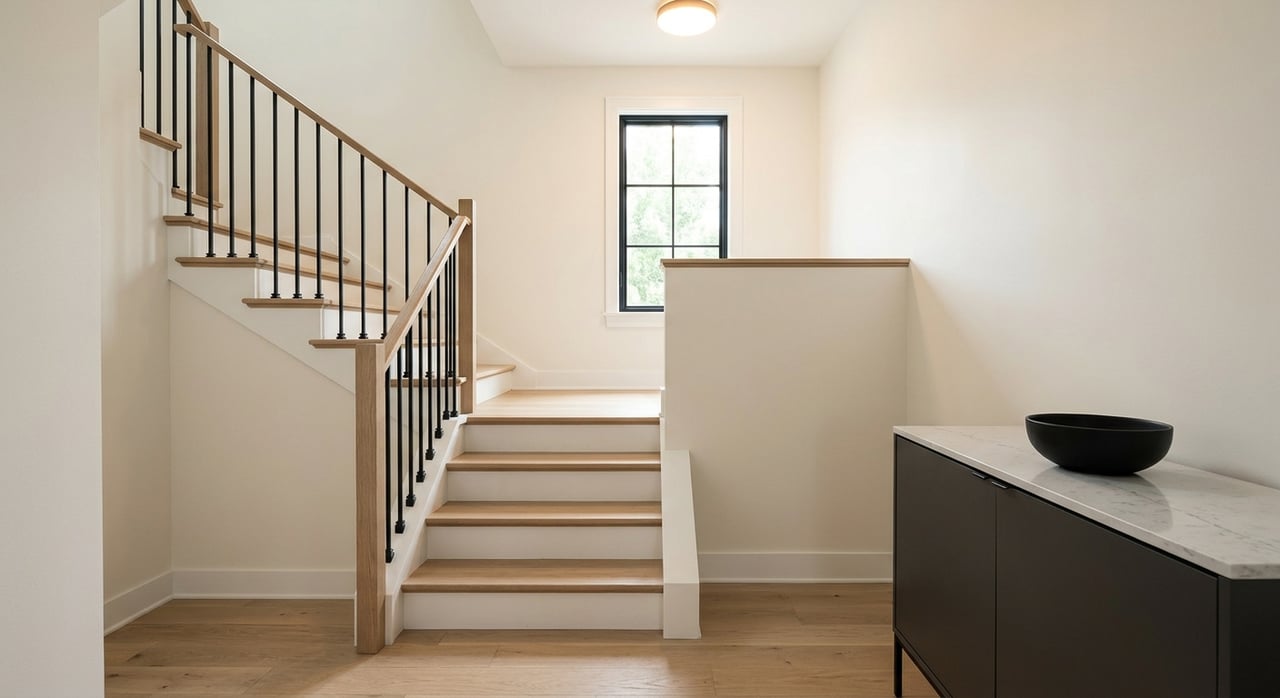
If you are selling a townhome in Highland, it can be easy to assume your sale will follow the same playbook as a detached house. In reality, attached homes often move on a different timeline, and buyers tend to pay close attention to layout, maintenance responsibilities, and association details. When you understand those differences early, you can price smarter, prepare better, and avoid last-minute surprises. Let’s dive in.
Highland townhome timing looks different
Highland remains an active market, but attached homes are not always moving at the same pace as the rest of the market. Redfin’s May 2026 Highland snapshot shows a median sale price of $269,089, 15 median days on market, and a 98.8% sale-to-list ratio for Highland overall. Realtor.com’s May 2026 summary shows a median listing price of $257,450, 65 active listings, 24 median days on market, and a 99% sale-to-list ratio.
For attached homes, the timeline looks a little different. Redfin’s townhouse data through April 15, 2026 showed 4 townhomes for sale at a median listing price of $269K and about 29 days on market. Its condo data through May 25, 2026 showed 10 condos for sale at a median listing price of $204K and 43 days on market.
The takeaway is simple. You should not price or time your sale based only on Highland’s overall housing numbers. Your townhome needs to be compared against similar attached homes and the legal setup of your community.
Know your townhome’s legal structure
One of the most important steps happens before photos, staging, or pricing. You need to confirm whether your property is fee simple, condo-style, or governed by an HOA. In Highland, current attached-home listings show a mix, with some advertising no HOA fees and others showing monthly HOA dues.
That difference matters because buyers want to know exactly what they are purchasing. It also affects how you describe the property in marketing. If the association handles exterior work, that can be a strong selling point, but if it does not, your listing should not suggest maintenance-free living.
This is where a hands-on local team can help. A clear legal and community picture makes it easier to market the home accurately and avoid confusion once offers start coming in.
Start HOA paperwork early
For many Highland townhome owners, paperwork is one of the biggest places where a sale can slow down. Indiana treats HOA-governed property and condominium units differently, so it is important to know which rules apply to your home.
For HOA-governed property, the seller must provide several items no later than 10 days before closing. That includes notice that the property is in an HOA, a copy of the recorded governing documents, a statement of assessments, and contact information for the board member, manager, or management company. Indiana law also allows the HOA or its agent to charge up to $250 for the statement.
For condominium units, Indiana law provides that the buyer is entitled to a statement of unpaid assessments. The association then has 10 business days after a written request to provide it. That timeline is one more reason to request documents early instead of waiting until you have a signed contract.
Do not confuse HOA documents with seller disclosures
Your HOA or condo paperwork is not the same as your state seller disclosure. Indiana’s residential seller disclosure form, State Form 46234, is a separate requirement that must be completed, signed, and delivered to the prospective buyer before an offer is accepted for most one-to-four unit residential sales.
That means you are really dealing with two separate prep tracks. One is your property condition disclosure, and the other is your association-related documentation, if applicable. Starting both early can help you avoid delays and keep your transaction moving.
Highlight low-maintenance features carefully
Buyers looking at Highland townhomes are often drawn to ease of ownership. Current condo listings in the area highlight benefits such as HOA-covered insurance, water, trash pickup, lawn service, snow removal, lawn irrigation, and exterior maintenance. Townhome listings also call attention to private patios, attached garages, remodeled bathrooms, walk-in closets, finished laundry areas, and main-floor or single-level living.
These features matter because many attached homes in Highland are compact enough that function stands out quickly. Research examples show townhomes around 1,125 to 1,386 square feet. In that size range, buyers often notice storage, room flow, laundry setup, patio use, and garage convenience more than they would in a larger detached home.
The key is accuracy. If your community offers true shared maintenance benefits, make that part of the story. If your home has no HOA or limited shared services, your marketing should reflect that just as clearly.
Stage for space and flow
When you are selling a townhome, staging is less about filling rooms and more about making the layout feel easy to live in. NAR’s 2025 staging research found that 83% of buyers’ agents said staging makes it easier for buyers to visualize a property as their future home. More than a quarter of agents also reported that staging a seller’s home led to 1% to 10% more in the dollar value offered.
That matters even more in a smaller attached home. Buyers are often deciding whether the space feels efficient, comfortable, and uncluttered. If oversized furniture blocks walkways or makes rooms look tight, buyers may focus on what feels small instead of what works well.
NAR’s guidance points to practical steps that fit townhome sellers well:
- Use neutral colors where possible
- Remove bulky furniture that overwhelms the room
- Keep closets from looking overstuffed
- Focus on clean circulation paths
- Give extra attention to the living room, primary bedroom, and kitchen
In Highland townhomes, scale matters. A clean, well-sized setup helps buyers picture daily life in the home and makes the square footage feel more useful.
Price against the right competition
A common seller mistake is using detached-home comparisons for an attached home. Highland’s overall market numbers are encouraging, but attached homes have shown different days on market and different buyer expectations. Redfin’s overall Highland page showed 15 median days on market, while its townhouse page showed 29 days and its condo page showed 43 days. Realtor.com’s May 2026 summary showed 24 days on market and a 99% sale-to-list ratio.
That does not mean townhomes are hard to sell. It means your price has to match the exact product you are offering. Buyers are comparing your home not just to Highland in general, but to similar attached homes with similar fees, maintenance responsibilities, condition, and features.
A strong pricing strategy should answer a few basic questions:
- Is the home fee simple, condo-style, or HOA-governed?
- Are there monthly dues?
- What does the association cover, if anything?
- How updated is the interior?
- Does the home offer features buyers value in this size range, like a garage, patio, storage, or main-floor living?
When your pricing, condition, and property details all line up, buyers have fewer reasons to hesitate.
Make your listing story consistent
The strongest Highland townhome listings tell one clear story from start to finish. The photos, price, remarks, staging, and paperwork should all support the same message. If your home offers easy exterior upkeep through an association, that should be documented and described clearly. If it is a no-HOA townhome, that can also be a meaningful selling point for the right buyer.
Consistency builds trust. It helps buyers understand the value of your home faster, and it can reduce confusion during showings, negotiations, and closing. That kind of clarity is especially important in attached-home sales, where legal structure and monthly costs can shape a buyer’s decision just as much as the kitchen or bathroom updates.
Selling a townhome in Highland is not just about getting it listed. It is about understanding how attached homes compete, preparing the right documents early, and presenting the space in a way that matches how buyers shop in this part of Northwest Indiana. If you want local guidance on pricing, prep, and positioning your home for the market, Favela Real Estate is here to help.
FAQs
How fast do townhomes sell in Highland, Indiana?
- Highland’s overall market has shown quicker timelines than attached homes, with Redfin reporting 15 median days on market overall, compared with about 29 days for townhomes and 43 days for condos in the latest snapshots.
What paperwork do Highland townhome sellers need?
- If your property is HOA-governed or condo-style, you may need association documents and assessment information, and Indiana’s residential seller disclosure form is a separate requirement that must be delivered before an offer is accepted for most one-to-four unit residential sales.
Do all Highland townhomes have HOA fees?
- No. Current Highland attached-home listings show a mix, with some townhomes advertising no HOA fees and others showing monthly HOA dues.
What townhome features matter most to Highland buyers?
- Buyers often notice practical features such as private patios, attached garages, remodeled bathrooms, walk-in closets, finished laundry areas, main-floor living, and any documented low-maintenance benefits tied to the association.
Should I stage a smaller Highland townhome before listing?
- Yes. Staging can help buyers visualize the home more easily, and in a smaller townhome, removing bulky furniture and keeping rooms uncluttered can make the layout feel more functional and spacious.