Thinking about buying in East Chicago as new projects roll out? You’re seeing headlines about lakefront work, streetscapes, and faster South Shore trains, along with updates on the USS Lead cleanup. It can feel like opportunity and caution sit side by side. In this guide, you’ll learn what’s changing, how it could influence value over time, and the practical checks to make before you write an offer. Let’s dive in.
What’s changing in East Chicago
East Chicago is advancing coordinated neighborhood, station-area, and commercial improvements that can shape where demand shows up first. The city’s plans focus on North Harbor, main streets, and targeted infill, while regional partners invest in transit and station-area tools that can support future development.
North Harbor improvements
The city’s North Harbor Redevelopment Initiative highlights upgraded sidewalks, trees, lighting, new parks, and targeted retail and housing infill in the harbor business district. You can review current priorities and maps in the city’s public materials on the initiative and the broader Planning & Economic Development hub. The city also operates a Façade Rebate Program that offers matching grants to improve storefronts, which tends to concentrate early upgrades on key corridors.
- Explore the North Harbor initiative on the city’s site: North Harbor Redevelopment Initiative
- See planning, zoning, and incentives: Planning & Economic Development
- Check current façade grants: Façade Rebate Program
Transit upgrades and TDDs
Regionally, the Northwest Indiana Regional Development Authority (RDA) and state partners created Transit Development Districts (TDDs) around South Shore Line stations, including East Chicago. A TDD captures incremental tax growth within the district to fund station-area infrastructure, which can reduce risk for new projects near the train. Review the RDA’s program updates for context on timelines and tools.
- Learn about RDA’s station-area framework: RDA press releases and TDD program
The South Shore Line Double Track improvements, celebrated in 2024, shortened commutes and enabled more frequent service. Regional coverage links reduced travel times to increased interest in station-adjacent housing, a trend to watch as more commuters evaluate Northwest Indiana options.
- Read regional coverage of double-track benefits: South Shore improvements and development outlook
Cleanup shaping land use
A major redevelopment factor is the USS Lead Superfund site. The residential area (OU1) includes multiple zones, with Zone 1 being the former West Calumet Housing Complex. The site has been under EPA oversight, and a private developer has been engaged to clean and prepare the former complex for non-residential reuse. The city rezoned the parcel to commercial/industrial, which is a key signal that large-scale new housing there is unlikely in the near term.
EPA reports show extensive soil excavation and clean backfill activity through 2023–2024, along with ongoing oversight and public updates. If you’re evaluating homes near any OU1 zone, you should review EPA documentation closely and incorporate that history into your inspections and negotiations.
- Background and site overview: USS Lead Superfund site
- OU1 and West Calumet updates: EPA OU1 Zone 1 page
Housing market snapshot
Public data sources show a value range that reflects different methodologies. As of January 2026, Zillow’s ZHVI (a modeled “typical value” index) is roughly around 125,000 dollars. Redfin’s January 2026 median sale price reads around 185,000 dollars, with low monthly transaction counts that can make short-term changes noisy. Use these as directional signals rather than final pricing.
- ZHVI is a model-based index of typical values, not a simple median of recent sales.
- Median sale prices come from recorded MLS and county sales in a time window.
- For an offer, confirm the latest closed comps through the local MLS.
Typical homes and neighborhoods
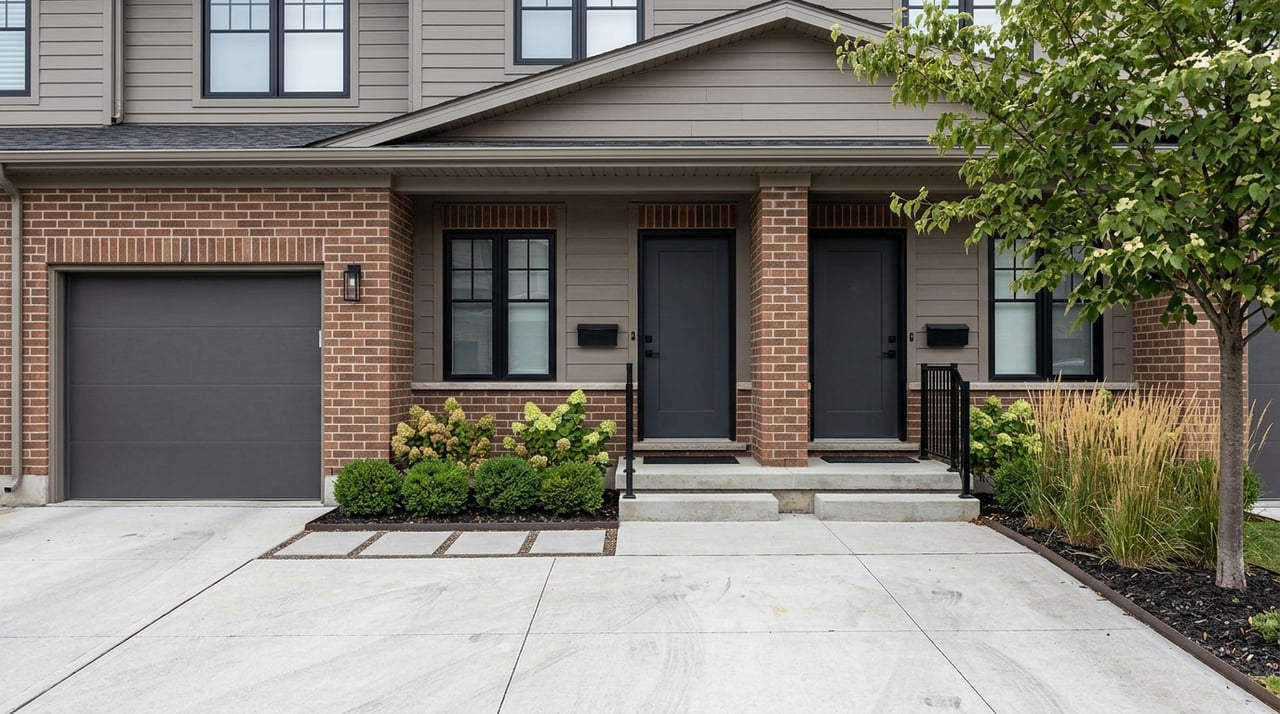
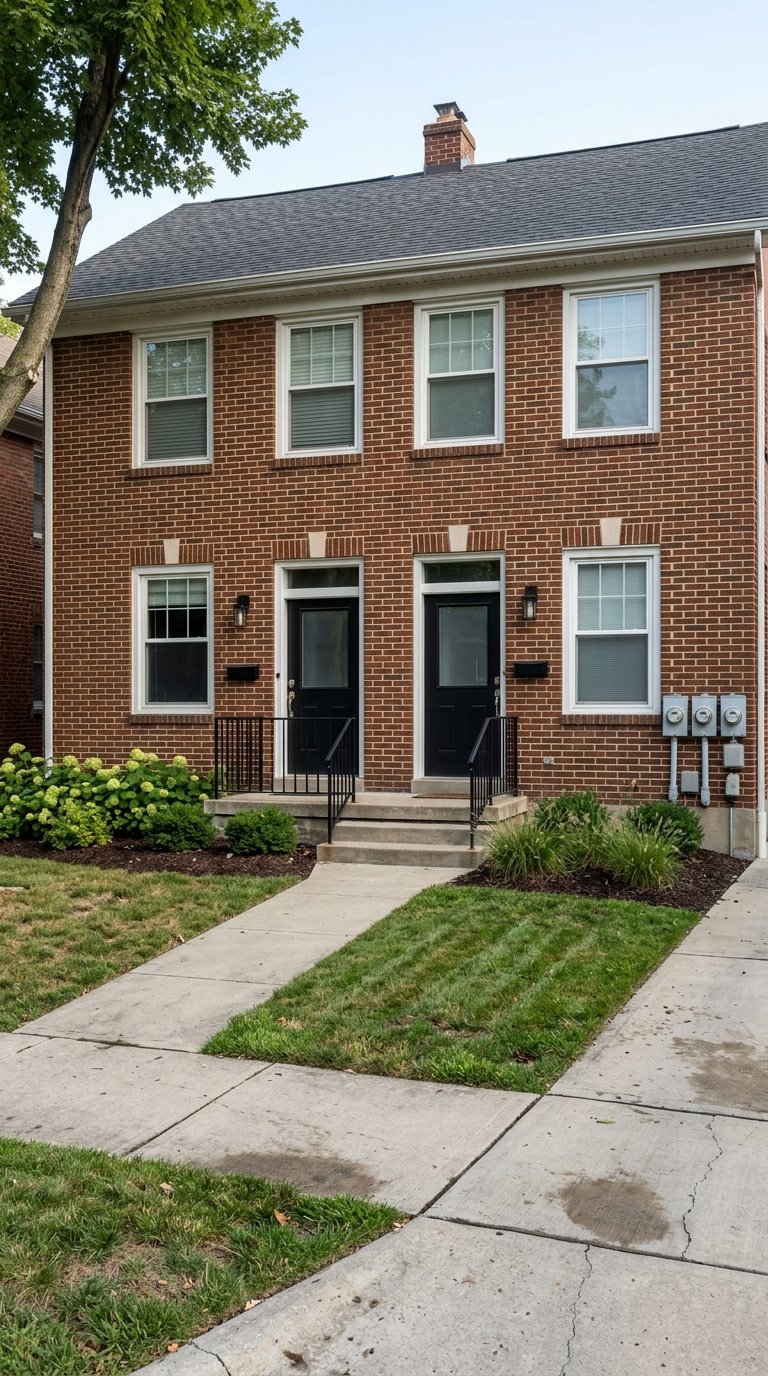
You’ll see early-20th-century worker cottages, modest single-family bungalows, and a steady presence of small multi-family options. One distinct historic enclave, Marktown, features English- and Tudor-style worker cottages and is listed on the National Register. Marktown’s heritage value and its proximity to industry make it a unique case for buyers interested in preservation, context, and careful due diligence.
- Learn more about Marktown’s history: Marktown celebrates 100 years
Buyer and investor due diligence checklist
Use this checklist to reduce surprises and strengthen your position during inspections and negotiations.
- Map the property against EPA zones. Confirm whether the address sits within or near USS Lead OU1 zones. Review EPA maps, fact sheets, and public notices before you waive contingencies or finalize repairs.
- Start here for site context: USS Lead background
- See active cleanup updates: EPA OU1 Zone 1 page
- Verify zoning today, not last year. Use the city’s planning and zoning resources to confirm current use, overlays, and any proposed changes. Large rezones, like West Calumet’s shift to non-residential, can redirect future investment patterns.
- Check current zoning resources: Planning & Economic Development
- Request environmental disclosures. Ask the seller and listing agent for any testing records, prior remediation documents, or neighborhood sampling results. For properties near active work, expect potential short-term traffic and noise noted in EPA updates.
- Review EPA notices and activity updates: EPA OU1 Zone 1 page
- Check flood risk by address. Use FEMA’s Map Service Center to run a specific lookup and note the effective Flood Insurance Rate Map date. Flood designations may affect lender requirements and your monthly cost.
- Go to the FEMA MSC lookup portal: FEMA Map Service Center
Confirm comps with MLS data. Public portals are helpful for trends, but recent closed sales in the local MLS provide the most relevant pricing for your negotiation. Look for 6 to 12 months of same-neighborhood, like-kind comps.
Understand special financing or incentive overlays. TDD boundaries and other tools can support infrastructure near stations. Do not assume a specific block will receive improvements without checking official sources and timelines.
- Review RDA TDD context: RDA press releases and TDD program
Scope renovation needs early. In older homes, budget for roof, HVAC, electrical, and foundation updates. If a property is near historically contaminated zones, discuss indoor dust or soil testing options with your inspector and lender.
For multi-family, verify rental rules. Confirm inspection requirements, rental registrations, and certificate-of-occupancy standards. Match projected rents with recent leases and assess capex needs before closing.
Align timelines with public projects. If your strategy depends on a streetscape, park upgrade, or station-area improvement, verify schedules and funding status on city or RDA pages rather than relying on word of mouth.
Keep records organized. Save EPA fact sheets, zoning confirmations, and inspection reports. Clean, well-sourced documentation can strengthen negotiations and support future resale.
Pre-owned vs. new construction
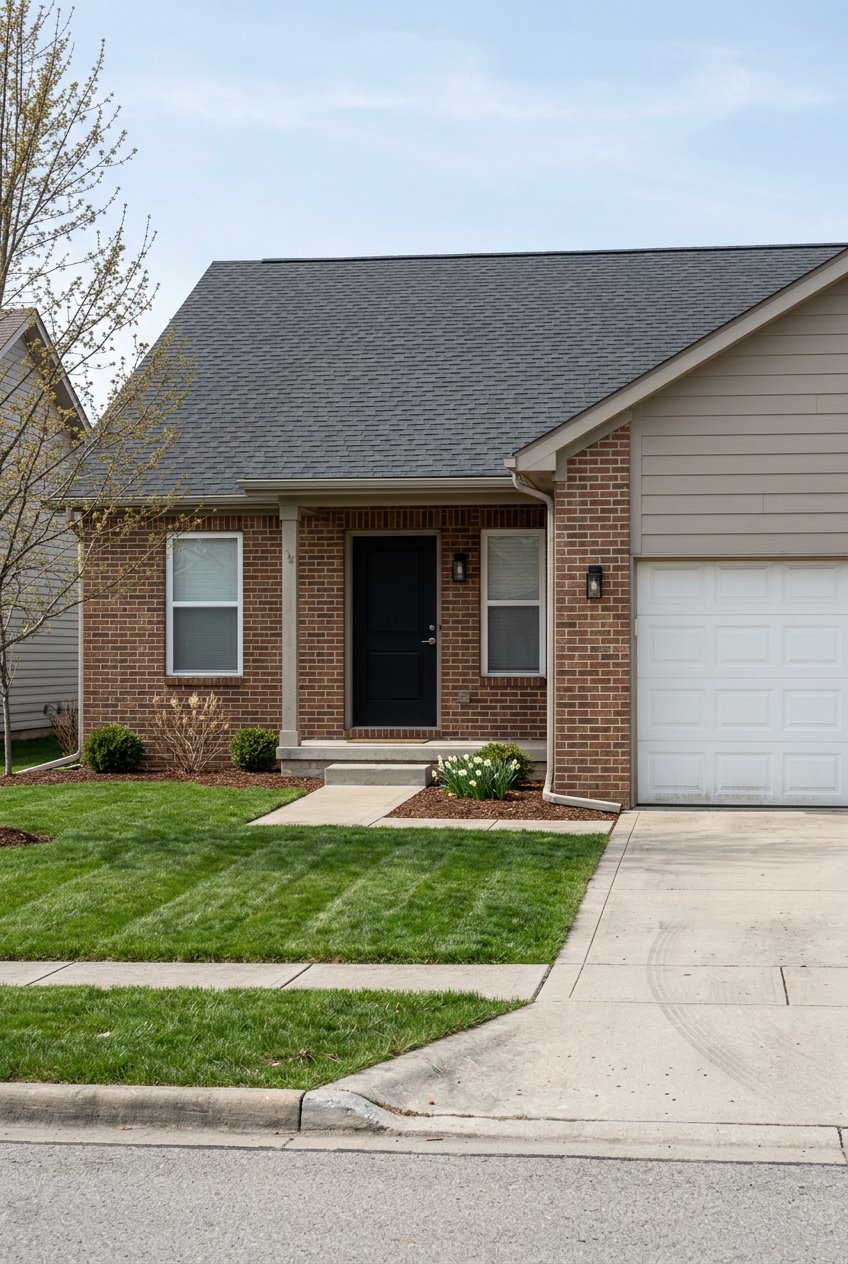
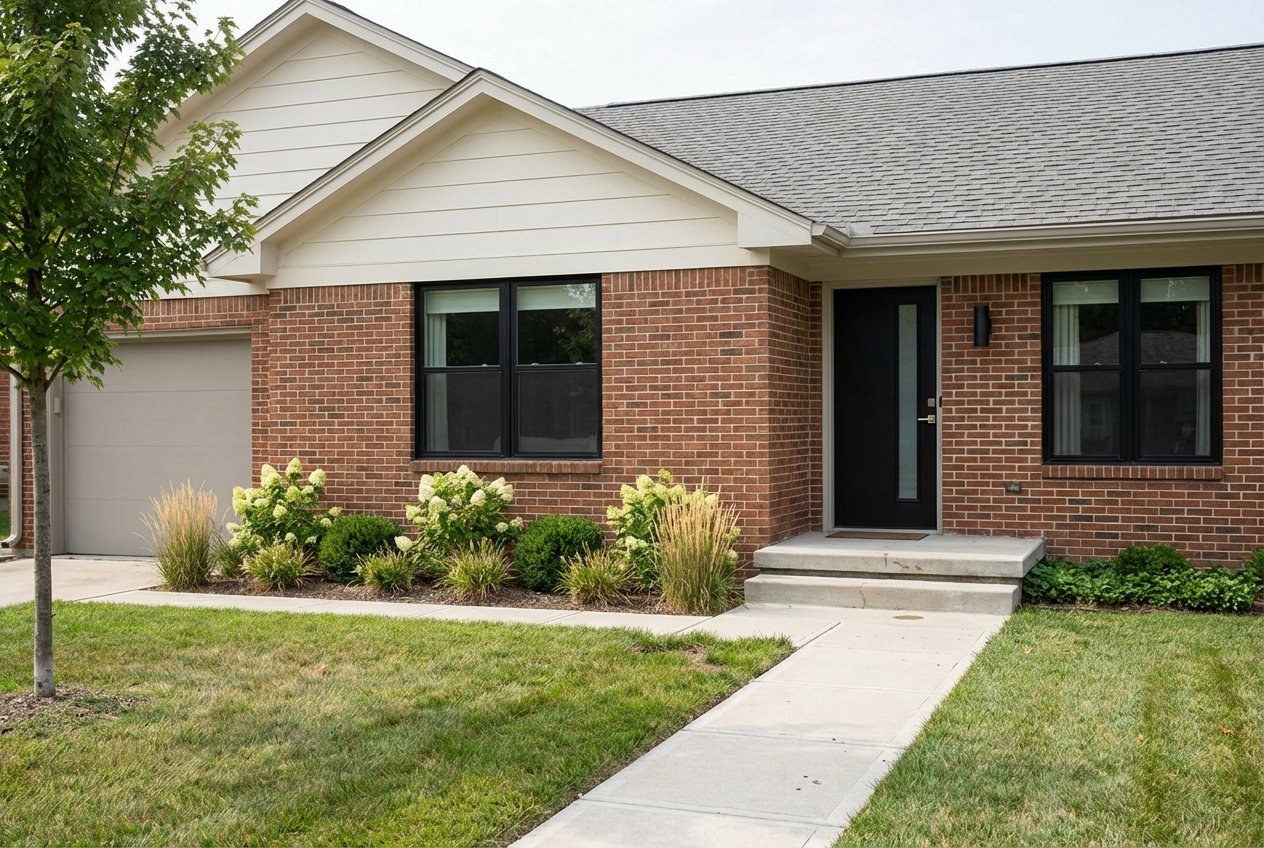
Pre-owned homes dominate East Chicago listings. The upside is a lower entry price and the chance to add value through thoughtful renovation. The tradeoff is older systems and, in certain locations, an environmental history that requires extra diligence with disclosures and testing.
- See EPA background for context on historic contamination: USS Lead overview
Large-scale new-home projects are limited by buildable land and current strategy. The former West Calumet parcel, for example, has been guided toward commercial and industrial reuse under EPA oversight, which points buyers toward small infill or renovation opportunities rather than big subdivisions. That means you’ll likely compare a refreshed resale to a smaller-scale new build when you shop.
- Track active cleanup and reuse updates: EPA OU1 Zone 1 page
Position your purchase near transit and lakefront
If you’re targeting homes near the South Shore station or lakefront districts, keep two ideas in balance. First, transit and TDD tools can support demand over time by improving access and funding station-area infrastructure. Second, the timing and scope of improvements vary by project and budget. Verify district boundaries, planned work, and schedules before you pay a premium based on future assumptions.
- Read more about the regional toolkit: RDA press releases and TDD program
- See regional reporting on double-track benefits: South Shore improvements
Work with a team that knows houses and construction
Buying in a changing market rewards clear advice and hands-on expertise. With brokerage and renovation under one roof, Favela Real Estate can help you source pre-renovation opportunities, compare them to move-in-ready options, and budget realistic timelines and costs. Our bilingual team serves Northwest Indiana daily and understands how transit upgrades, façade grants, and environmental history show up in real transactions. If you want a practical plan from offer through punch list, we’re ready to help.
Ready to explore East Chicago with a local, construction-savvy team? Connect with Favela Real Estate to start a focused search or request a free valuation.
FAQs
How does redevelopment affect East Chicago home values in 2026?
- Public investments near North Harbor and the South Shore station can support demand over time, while the USS Lead cleanup and rezoning shape where housing is likely; confirm comps with the MLS before pricing.
What should I know about the USS Lead Superfund site before buying?
- Check whether the address is within or near OU1 zones, review EPA fact sheets and maps, and request environmental disclosures and testing history as part of your inspection plan.
Is living near the South Shore station a smart move for commuters?
- Double-track improvements shortened travel times and increased frequency, which can make station-area housing more attractive; verify TDD boundaries and planned infrastructure if that factors into your decision.
Are there incentives for fixing up a property in East Chicago?
- The city operates façade rebates for targeted corridors and shares other incentives on its planning pages; always confirm current eligibility, timelines, and required scopes before you bid.
What types of homes are most common in East Chicago?
- You’ll see early-20th-century cottages, modest bungalows, and small multi-family buildings; historic Marktown offers distinctive worker cottages with National Register status and specific preservation context.