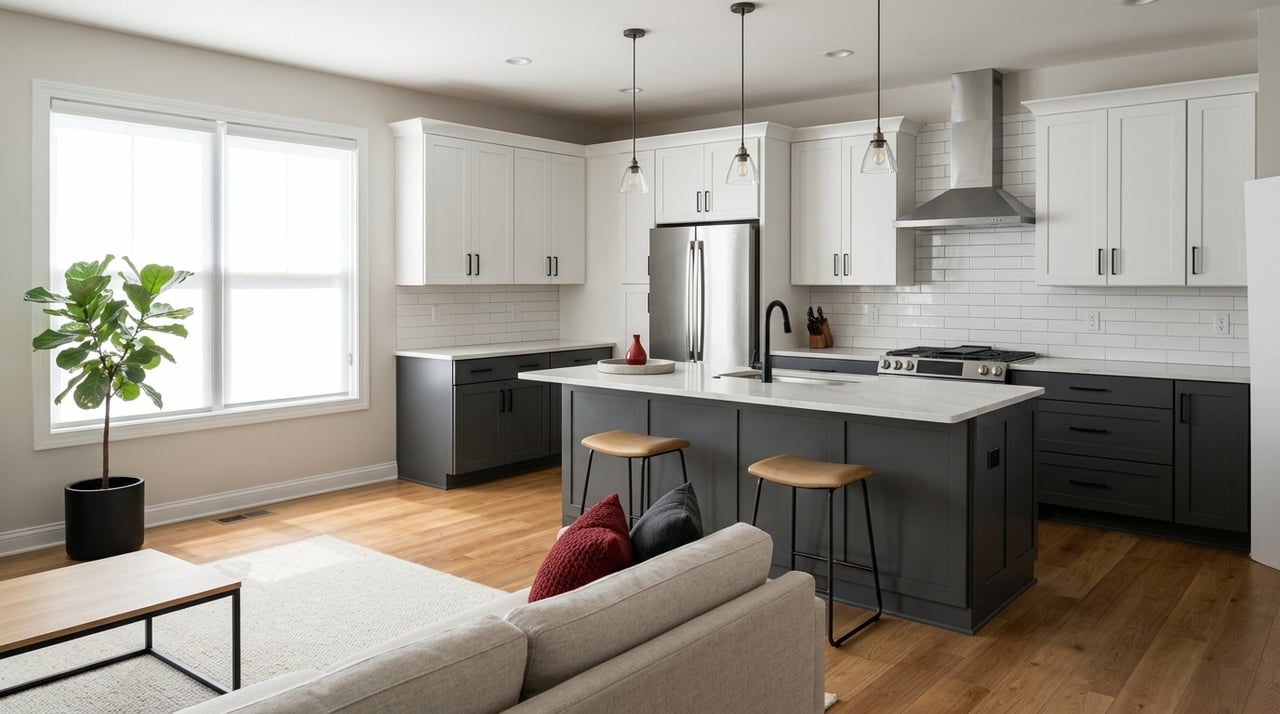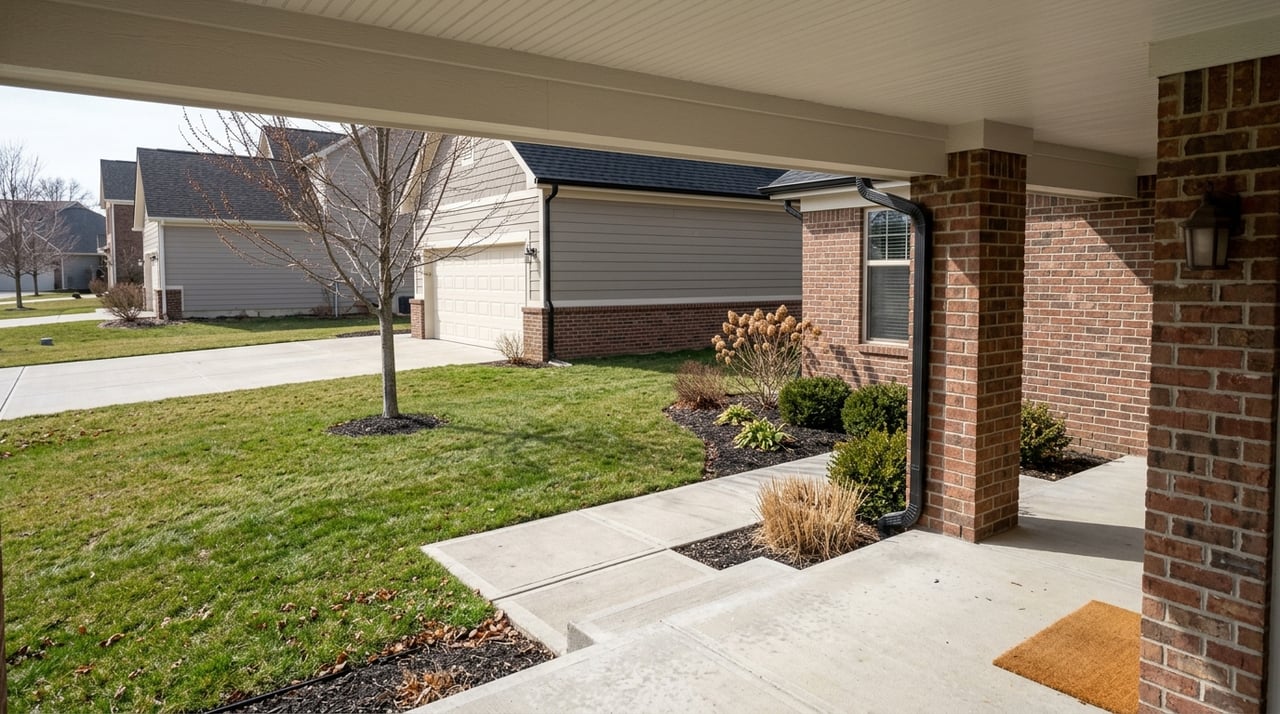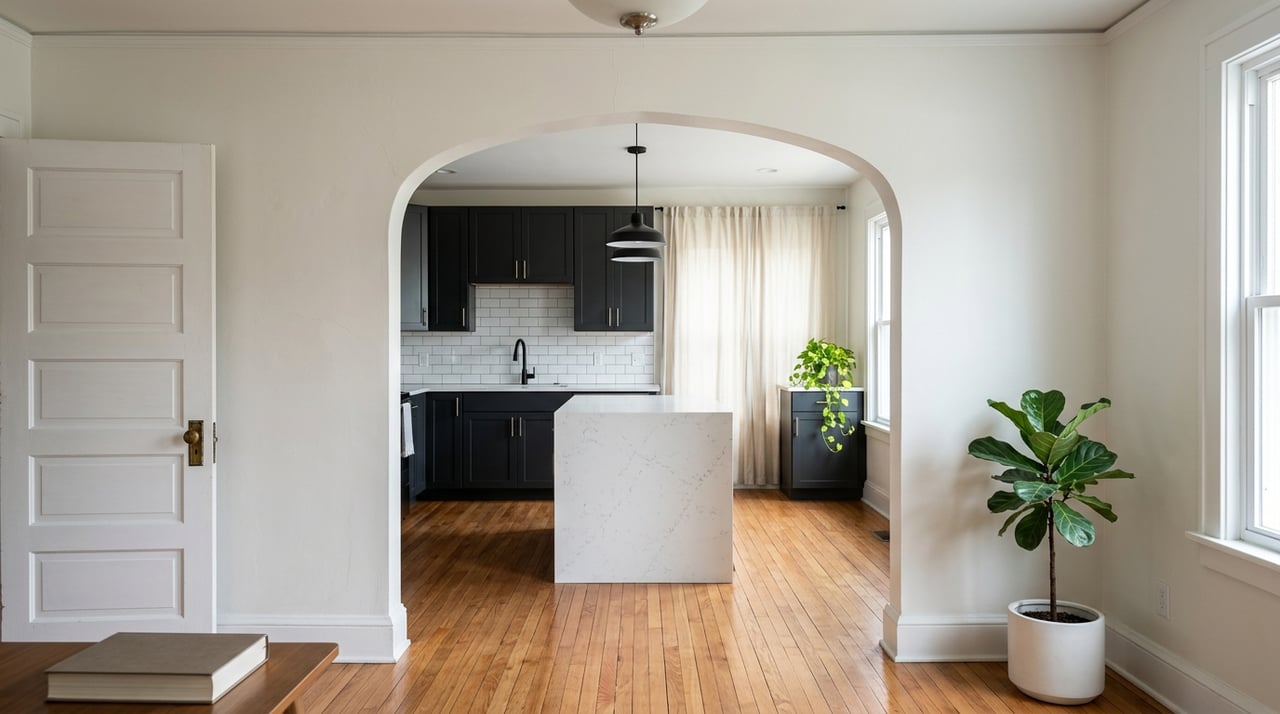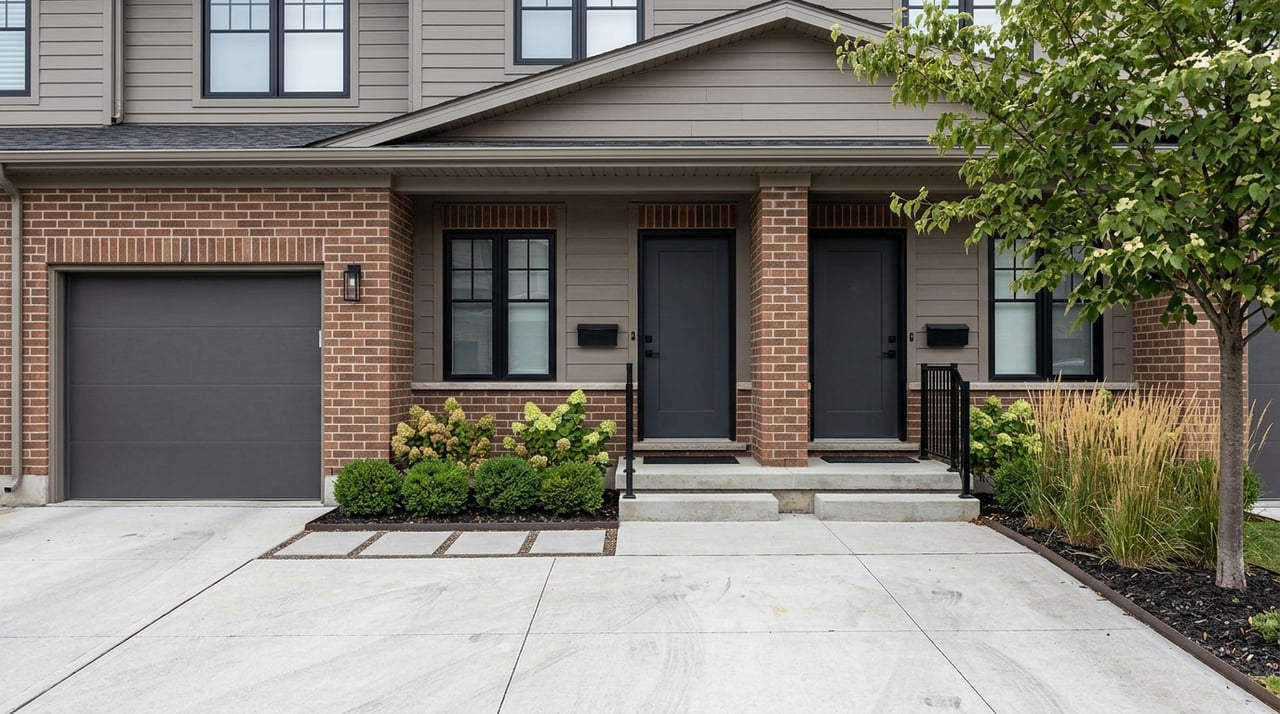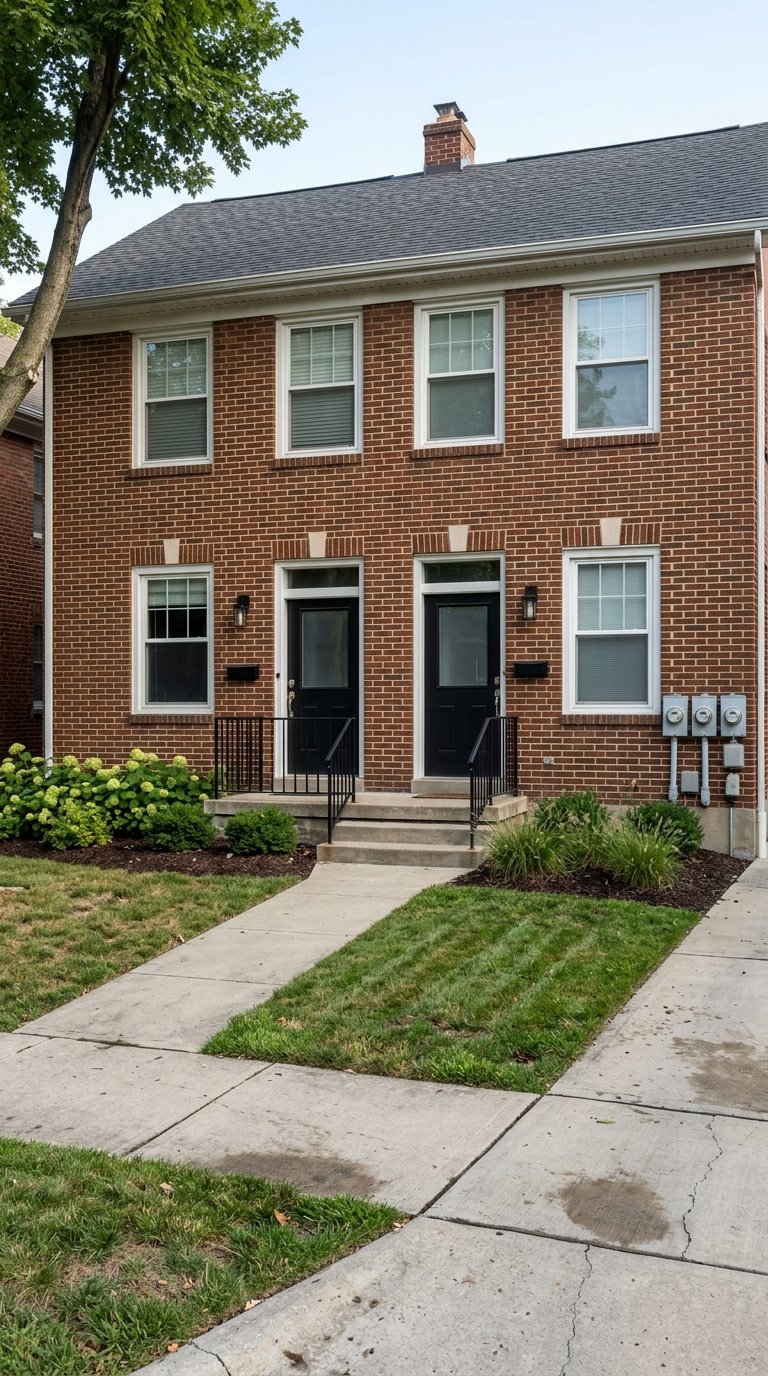
Are you looking for a reliable way to build cash flow close to home? Duplexes and triplexes in Griffith can offer steady rents, manageable upkeep, and flexible financing if you know how to underwrite them. Whether you plan to house-hack or grow a small portfolio, a clear process helps you move fast and avoid surprises.
In this guide, you’ll learn how the Griffith small‑multifamily market looks today, how to run a quick pro forma, what vacancy and expenses to assume, and which loans work best for 2–4 units. You’ll also get a renovation checklist, due‑diligence steps, and next actions to take. Let’s dive in.
Why Griffith for small multifamily
Griffith offers a stable, owner‑occupied feel with rental demand supported by local incomes and proximity to regional job centers. According to the latest Census QuickFacts, the town’s estimated population was 16,192 as of July 1, 2024, with a median household income of $76,009 and an owner‑occupied home value of $200,400. Median gross rent from the 2019–2023 American Community Survey was $1,154. These ACS figures are multi‑year averages and help you understand baseline affordability and demand. Source: U.S. Census QuickFacts.
To gauge today’s pricing and asking rents, pair ACS data with current listing trends. Zillow’s local home‑value index for Griffith was about $243,000 and its observed rent index showed an average asking rent near $1,277 as of February 28, 2026. Use this as a live snapshot, while remembering that ACS rents reflect a 2019–2023 average. Recent public listings have also shown duplex offerings around the low‑to‑mid $300,000s with reported unit rents roughly in the $1,295 to $1,387 range. Treat those as samples and confirm with on‑the‑ground comps.
What returns look like right now
If you house‑hack a duplex, you can offset your mortgage with the second unit’s rent. If you buy as a pure investment, you can still find cash‑flow potential by matching purchase price to realistic rents and expenses. Use live rental comps in Griffith’s blocks and nearby streets, then run a short stress test for vacancy and turnover.
At the property level, model rent by unit type and finish quality. A lightly updated 2‑bedroom often supports asking rents similar to the Zillow snapshot figures above. Newer or fully renovated units can push higher, while older finishes or shared utilities can push lower.
How to underwrite a Griffith duplex or triplex
Step 1: Collect the right inputs
- Rent comps: Pull recent asking and closed rents for similar unit sizes within a tight radius. Note parking, laundry, and whether utilities are included.
- Taxes: Get the parcel’s current assessed and taxable value and the most recent tax bill from Lake County. Indiana uses reassessments and has circuit‑breaker caps that affect bills by taxing district. Learn how caps work in the state’s overview of tax bills. See the DLGF guide.
- Vacancy: Start with a 5 to 10 percent allowance and refine as you learn the micro‑area. Indiana’s vacancy trends are published by the Census Housing Vacancy Survey. Review HVS data.
- Insurance, repairs, and utilities: Get local quotes and confirm if units are separately metered.
Step 2: Build a quick pro forma
Here is a simple example for a duplex with two 2‑bedroom units. Replace every number with your property’s data.
- Market rent per unit: $1,279 based on recent local asking‑rent signals (Zillow ZORI, Feb 28, 2026). Total monthly gross: $2,558. Annual gross: $30,696.
- Vacancy and credit loss: 7 percent example. Effective gross income: 93 percent of $30,696 = $28,557. HVS context.
- Operating expense placeholders to refine:
- Property tax: Estimate using assessed or market value and a conservative effective rate, then confirm with the Lake County bill. The Tax Foundation’s county summaries can help you sanity‑check effective rates by county. Reference the Tax Foundation.
- Insurance: Get quotes. A common starting range is 1 to 2 percent of value per year, but always verify locally.
- Repairs and maintenance: 5 to 10 percent of effective gross, adjusted for property age and condition.
- Property management: 6 to 10 percent if you hire a manager. Lower if you self‑manage.
- Utilities: Include only owner‑paid items. Exclude tenant‑paid utilities.
- Capital reserves: $250 to $500 per unit per year as a baseline for future big‑ticket items.
Net operating income equals effective gross income minus total operating expenses. Use NOI to evaluate cap rate and debt service coverage.
Step 3: Estimate property taxes the smart way
Avoid a flat county percentage. Instead:
- Start with the parcel’s assessed or market value. Zillow’s ZHVI for Griffith was about $243,000 in late February 2026, but a real parcel value is better.
- Apply a conservative effective rate using county benchmarks as a check, then confirm the actual bill by contacting the Lake County Assessor or Treasurer. Indiana’s circuit‑breaker caps and taxing districts can materially change the final tax owed. DLGF overview.
- Verify any exemptions or changes after a sale with the county office.
Step 4: Track essential metrics
- Gross Rent Multiplier: Purchase price divided by annual gross rent. Use it to screen quickly, then dig deeper.
- Cap Rate: NOI divided by purchase price. Rebuild this for each candidate address using your own expense assumptions.
- DSCR: Debt Service Coverage Ratio equals NOI divided by annual debt service. Many investor loans target a DSCR of around 1.0 to 1.25 or higher. Learn how DSCR loans work and how lenders calculate the ratio. See this DSCR guide.
Financing options for 2–4 units
FHA for owner‑occupants
FHA can finance 2–4 unit properties when you live in one unit as your primary residence. Minimum down payment is 3.5 percent for qualified borrowers, subject to FHA rules and local limits. If you plan renovations, FHA 203(k) bundles purchase and rehab into one loan. Standard 203(k) supports more extensive projects. Read the FHA 203(k) consumer fact sheet.
Conventional loans
Conventional programs also finance duplexes, triplexes, and fourplexes. Down payments and pricing depend on occupancy and credit profile. Owner‑occupants may have lower down payment options, while investor loans typically require higher down payments, often 15 to 25 percent or more. Always ask a lender for written quotes on a specific property. Overview of duplex‑friendly loan options.
DSCR and investor cash‑flow loans
DSCR loans underwrite mainly to the property’s rent rather than your W‑2 income. They can be efficient for small multifamily acquisitions, though they usually require larger down payments and have higher rates than conforming owner‑occupied loans. Learn how DSCR loans are structured.
Hard money, bridge, and rehab‑to‑perm
Short‑term rehab loans can help you close fast, complete improvements, then refinance into a long‑term loan once stabilized. Rates and fees are higher, so model the total project cost, carry, and exit plan up front. FHA 203(k) can also be a fit for owner‑occupants planning a live‑in renovation. 203(k) program basics.
Local banks, credit unions, and seller financing
Community lenders in Lake County and creative seller terms can sometimes deliver flexible solutions. Relationships matter, so share your plan, budget, and exit strategy when you request quotes.
Renovation and permitting in Griffith
Take a layered approach to scope and budget so you fund the right work first:
- Safety and code: electrical, heating, hot water, structure.
- Systems and envelope: roof, HVAC, windows.
- Interiors: kitchens, baths, flooring, paint, lighting.
- Curb appeal: exterior repairs, landscaping, common areas.
If you want to roll rehab into your mortgage as an owner‑occupant, review how FHA 203(k) packages purchase plus construction. 203(k) consumer guide.
Before work starts, confirm permits with the Town of Griffith building or planning department and check Lake County’s resources for assessments and permit processes, especially for items like adding meters or legalizing informal units. Lake County resources portal.
Due‑diligence checklist for duplexes and triplexes
- Confirm zoning and permitted uses for duplex/triplex and any accessory units.
- Get a current rent roll and lease copies for occupied properties.
- Verify utilities: note which services are separately metered.
- Review the last 12 to 24 months of income and expense statements, plus bank receipts if available.
- Order a full home inspection and specialized checks for electrical, HVAC, roof, chimney, and environmental items. For pre‑1978 buildings, evaluate for lead‑based paint and related compliance.
- Obtain 2 to 3 written contractor bids with clear scopes and timelines.
- Confirm the current property tax bill, assessed value, and exemptions with Lake County. Start here.
Exit strategies that fit this market
- Buy and hold: Aim for steady cash flow, potential appreciation, and tax benefits through depreciation. Budget for ongoing capital items.
- Rehab and sell: Target a one‑time gain. This path carries higher carrying costs and market‑timing risk and demands strong project execution.
- Value‑add then refinance: Buy with short‑term financing, complete repairs, stabilize rents, then refinance into a conventional or DSCR loan.
If you are using FHA 203(k) as an owner‑occupant, be sure you understand occupancy requirements and program rules. 203(k) overview.
Your next steps in Griffith
- Run a sample pro forma for at least three active or recent small‑multifamily addresses using actual asking rents and realistic expenses.
- Call the Lake County Assessor or Treasurer to get the official tax history for any parcel you are considering. Lake County resources.
- Speak with two lenders: one about FHA owner‑occupant terms for a potential house‑hack, and another about DSCR or conventional investor pricing. DSCR primer.
- Line up 2 to 3 contractor bids and a clear scope before you sign if your plan is value‑add.
Ready to evaluate a specific duplex or triplex in Griffith? Our team pairs local brokerage expertise with in‑house renovation capability so you can underwrite with confidence, plan realistic budgets, and move from offer to rent‑ready on schedule. Reach out to Favela Real Estate to talk strategy, run numbers together, and tour live opportunities.
FAQs
What rents should I model for 2‑ and 3‑bedroom units in Griffith?
- Start with a short field survey of live listings in Griffith and nearby blocks. Use the latest asking‑rent trend as a reference point, such as Zillow’s observed rent index near $1,277 as of Feb 28, 2026, and then fine‑tune by unit size, finishes, parking, and utilities.
How much vacancy should I assume for a Griffith duplex?
- Model 5 to 10 percent depending on unit quality and tenant profile, then stress test. Compare your assumption to Indiana’s rental vacancy trends from the Census Housing Vacancy Survey and adjust based on local leasing feedback. HVS data.
How do property taxes work in Lake County, Indiana?
- Indiana applies reassessments and circuit‑breaker caps, and tax bills vary by taxing district. Always verify the parcel’s assessed value and current bill with the county before you finalize a pro forma. DLGF explanation of tax bills and caps.
Can I use FHA to buy a duplex if I will not live there?
- No. FHA requires owner‑occupancy for 1–4 unit purchases. If you plan to live in one unit, FHA 203(k) can also finance renovations under a single loan. FHA 203(k) fact sheet.
What down payment will I need for a Griffith duplex or triplex?
- FHA owner‑occupant programs can be about 3.5 percent for qualified buyers, while conventional investor loans often require 15 to 25 percent or more. Terms vary by lender, so get written quotes and compare options. Conventional and FHA overview.
Do I need permits or a rental inspection to operate a duplex in Griffith?
- Permit and inspection requirements can change. Call the Town of Griffith building office for current rules and use Lake County’s online resources to check assessments and permit steps before you start work or advertise units. Lake County resources.